Practice AP US History skills by explaining causes, effects, evidence, and historical arguments about the Progressive Era and World War I.
Read each problem carefully. Use specific historical evidence when asked. Write in complete sentences and show your reasoning.
Reform, imperialism, war, and domestic change from 1890 to 1920
Social Studies - Grade 9-12
- 1
Explain how muckrakers contributed to Progressive Era reforms. Use one specific example.
- 2
Compare Theodore Roosevelt's New Nationalism with Woodrow Wilson's New Freedom. Identify one similarity and one difference.
- 3
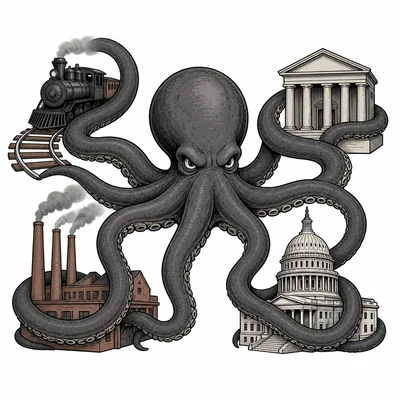
A political cartoon shows a giant octopus labeled Monopoly wrapping its arms around railroads, banks, factories, and the Capitol. Explain the cartoon's likely Progressive Era message.
- 4
Choose two of the following amendments and explain how each reflected Progressive Era reform goals: 16th, 17th, 18th, and 19th Amendments.
- 5
Explain the role of settlement houses, such as Hull House, in Progressive Era urban reform.
- 6
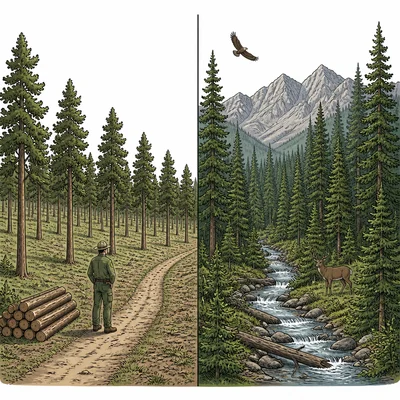
How did Progressive Era conservation differ from preservation? Use Theodore Roosevelt or Gifford Pinchot in your answer.
- 7
Explain one major limitation of the Progressive Era reform movement related to race or civil rights.
- 8
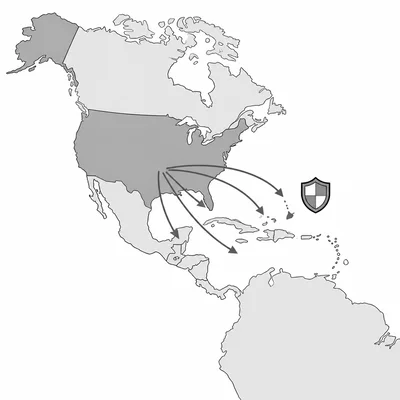
Explain how the Roosevelt Corollary changed the role of the United States in Latin America.
- 9
Identify two reasons the United States moved from neutrality to entering World War I in 1917.
- 10
Explain the main goal of Woodrow Wilson's Fourteen Points and why many European Allied leaders resisted parts of the plan.
- 11
Explain how the Espionage Act, the Sedition Act, and the Supreme Court case Schenck v. United States reflected tensions between civil liberties and national security during World War I.
- 12
Explain one way World War I changed the American home front for women or African Americans.
- 13
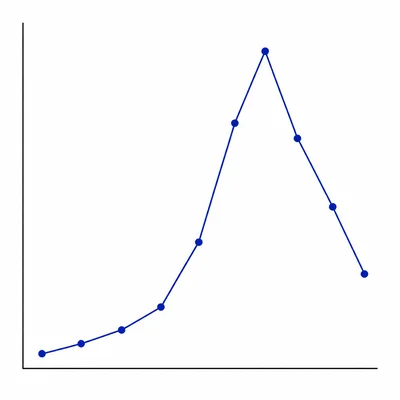
A graph shows federal spending rising sharply from 1916 to 1918 and then falling after 1919. Explain what this pattern suggests about the impact of World War I on the federal government.
- 14
Write a defensible thesis for this prompt: Evaluate the extent to which the Progressive Era expanded democracy in the United States from 1890 to 1920.
- 15
Explain one continuity and one change in the role of the federal government from the Progressive Era through World War I.