Analyze the causes, leaders, methods, and global effects of decolonization and independence movements in the 20th century.
Read each problem carefully. Answer in complete sentences and support your ideas with historical evidence when possible.
Examining the end of colonial rule in Africa and Asia
Social Studies - Grade 9-12
- 1
Define decolonization in your own words and explain why it became a major global process after World War II.
- 2
Identify two major causes of independence movements in colonies during the 20th century.
- 3
Explain one important role Mohandas Gandhi played in the independence movement in India.
- 4
Compare nonviolent resistance and armed struggle as methods used in independence movements. Give one example of each.
- 5
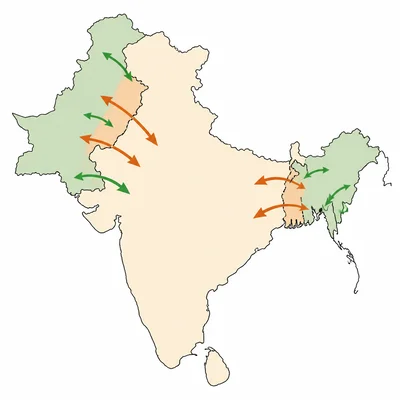
Describe how the partition of India in 1947 affected the region.
- 6
Explain why Algeria's struggle for independence from France was especially violent.
- 7
Identify one way the Cold War affected decolonization movements in Africa or Asia.
- 8
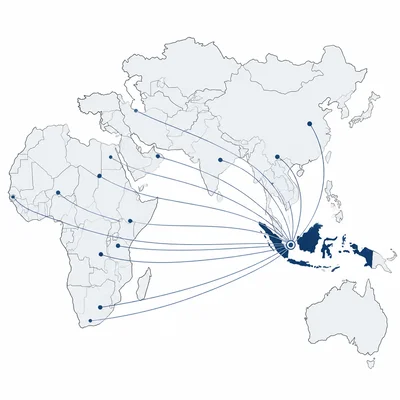
What was the purpose of the Bandung Conference of 1955, and why was it significant?
- 9
Choose one African country that gained independence in the mid-20th century and explain one challenge it faced after independence.
- 10
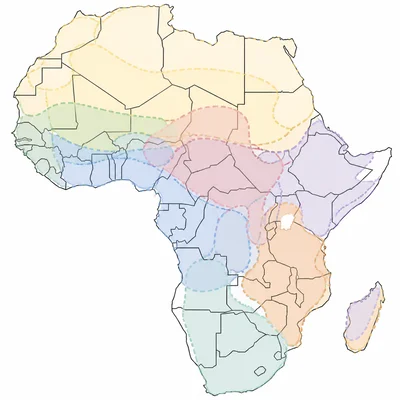
Explain how colonial borders created problems for some newly independent nations.
- 11
Describe one economic challenge faced by newly independent countries after decolonization.
- 12
Write a short response explaining whether decolonization immediately created full freedom and stability for most new nations. Support your answer.