Jury Trial Deliberation Lab
Take a seat in the jury box. Read a fictional, school-appropriate case, examine each piece of evidence, and decide whether it points toward guilt, innocence, or neither. Then apply the standard of proof beyond a reasonable doubt to render your verdict. This lab teaches how juries weigh evidence and the trial rights that protect every accused person.
Choose a Case
The Missing Bicycle
The Charge
Taylor is accused of taking Jordan's blue bicycle from the school rack without permission.
Jordan left a blue bicycle locked at the school bike rack on Monday. By the end of the day it was gone. A week later, Taylor was seen riding a blue bicycle that looked similar. Jordan says it is the same bike. Taylor says it is a different bicycle that belongs to Taylor's family. The presumption of innocence means Taylor is treated as not guilty unless the evidence proves guilt beyond a reasonable doubt.
How a Jury Decides
You are a juror. You start by assuming the accused is not guilty (the presumption of innocence). The accusers carry the burden of proof. You should vote guilty only if the evidence proves guilt beyond a reasonable doubt. If a fair doubt remains, the verdict is not guilty.
Read each piece of evidence below. Decide whether it is relevant, then judge whether it points toward guilt, points toward innocence, or is neutral.
Key terms every juror should know
- Presumption of innocence
- Every accused person is treated as not guilty until proven guilty. The jury starts by assuming the accused did nothing wrong.
- Burden of proof
- It is the accusers (the prosecution) who must prove guilt. The accused does not have to prove they are innocent.
- Beyond a reasonable doubt
- The highest standard of proof. A jury should vote guilty only if the evidence leaves no reasonable doubt that the accused did it. If a fair doubt remains, the verdict is not guilty.
- Sixth Amendment
- Guarantees the right to a speedy and public trial, an impartial jury, knowing the charges, confronting witnesses, and having a lawyer in criminal cases.
- Seventh Amendment
- Protects the right to a jury trial in many civil (non-criminal) cases, such as disputes over money or property.
Controls
Current case The Missing Bicycle
Rate all 6 pieces of evidence, then render your verdict with a reason.
A classmate says they saw Taylor near the bike rack on Monday afternoon, but admits they were far away and not sure of the exact time.
Which way do you think this evidence points?
The bicycle Taylor rides is the same color and brand as Jordan's, but this is a common model sold at the local store.
Which way do you think this evidence points?
Taylor's family produced a dated store receipt showing they bought a blue bicycle of that model two months before Jordan's went missing.
Which way do you think this evidence points?
Jordan's missing bicycle had a small scratch on the left pedal. The bicycle Taylor rides has no scratch in that spot.
Which way do you think this evidence points?
A teacher noted that many students leave through the bike rack area every day after school.
Which way do you think this evidence points?
Taylor was absent from school on the Monday the bicycle disappeared, confirmed by the attendance record.
Which way do you think this evidence points?
Render Your Verdict
Data Table
(0 rows)| # | Evidence | Relevant | My Judgment | Strength |
|---|
Reference Guide
How a Jury Trial Works
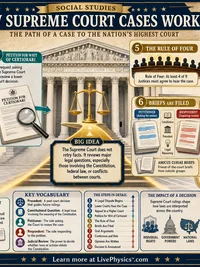
In a jury trial, a group of citizens listens to the evidence and decides the facts of a case. The judge explains the law, but the jury decides what actually happened.
A criminal trial begins with the presumption of innocence. The accused is treated as not guilty unless the evidence proves otherwise. Jurors must set aside any first impressions and judge only by what is presented.
- Charge. The specific wrongdoing the accused is said to have committed.
- Evidence. Witness statements, records, and physical objects offered to prove or disprove the charge.
- Verdict. The jury's final decision of guilty or not guilty.
Burden of Proof and Reasonable Doubt
The burden of proof rests on the accusers, called the prosecution. The accused never has to prove they are innocent. If the prosecution fails to prove the case, the verdict must be not guilty.
In a criminal case the standard is the highest one we use, beyond a reasonable doubt. A juror should vote guilty only if no reasonable doubt about guilt remains. A reasonable doubt is a fair, honest doubt based on the evidence, not a fanciful or imaginary one.
Civil cases, such as disputes over money or property, use a lower standard called the preponderance of the evidence, which means more likely than not.
Weighing Evidence
Not all evidence carries the same weight. Strong evidence, such as a dated receipt or a clear and consistent eyewitness, is hard to explain away. Weak evidence, such as an unsure sighting from far away, leaves room for doubt.
Good jurors ask whether each piece is relevant, how reliable it is, and whether it could fit an innocent explanation. A single strong piece can outweigh several weak ones.
Neutral evidence does not point clearly in either direction. Recognizing neutral evidence keeps a juror from being swayed by facts that do not actually prove anything.
Your Trial Rights
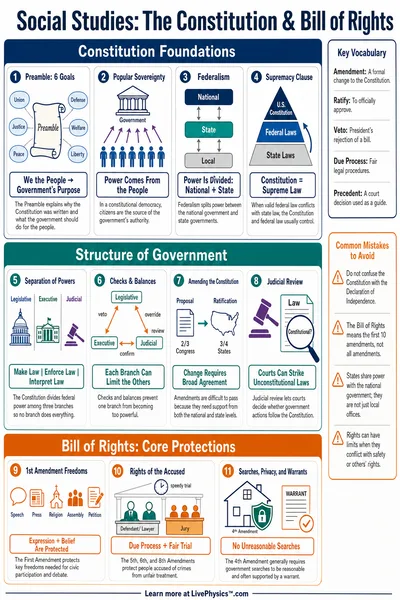
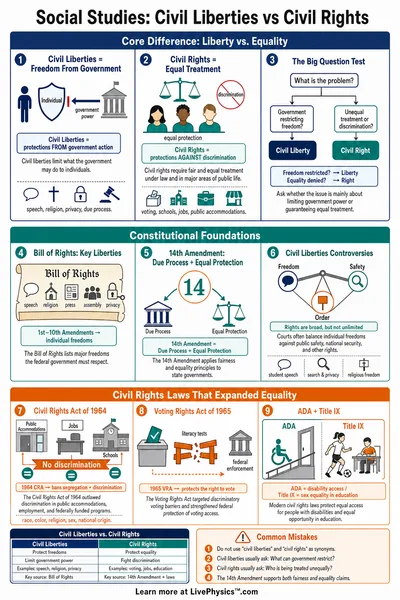
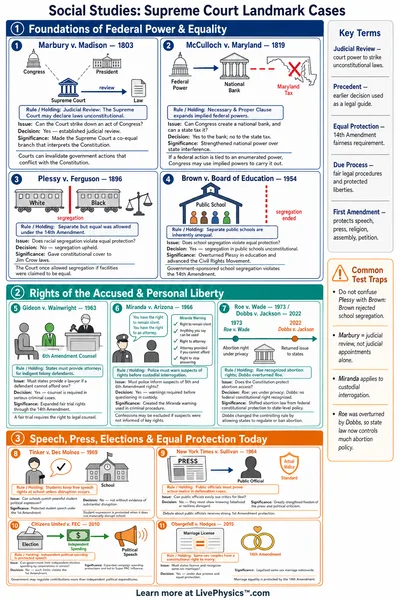
Several amendments to the U.S. Constitution protect people accused of wrongdoing.
- Sixth Amendment. Guarantees a speedy and public trial, an impartial jury, the right to know the charges, the right to confront witnesses, and the right to a lawyer in criminal cases.
- Seventh Amendment. Protects the right to a jury trial in many civil cases, such as disagreements over money or property.
- Presumption of innocence. Not written as a single line, but built into the law. The accused is treated as innocent until proven guilty.
These protections exist so that no one is punished without a fair process and solid proof.