Explore how stars are born in nebulae, spend most of their lives on the main sequence, and end in different ways depending on their mass.
Read each problem carefully. Use complete sentences when explaining your thinking. Show your work in the space provided.
How stars form, change, and end
Astronomy - Grade 6-8
- 1
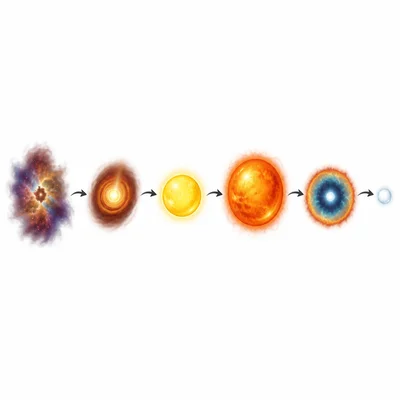
Put these stages in the correct order for the life cycle of a Sun-like star: white dwarf, main sequence star, planetary nebula, protostar, red giant, nebula.
- 2
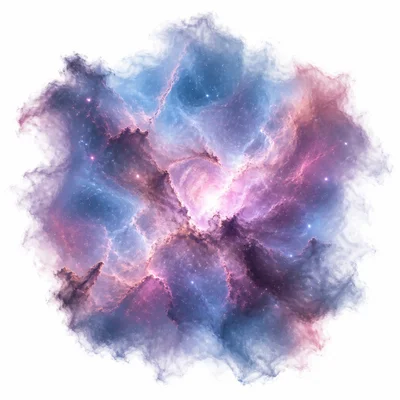
Explain what a nebula is and why it is important in the life cycle of a star.
- 3
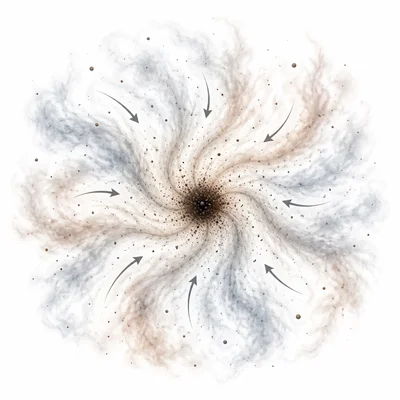
What force causes gas and dust in a nebula to pull together and begin forming a protostar?
- 4
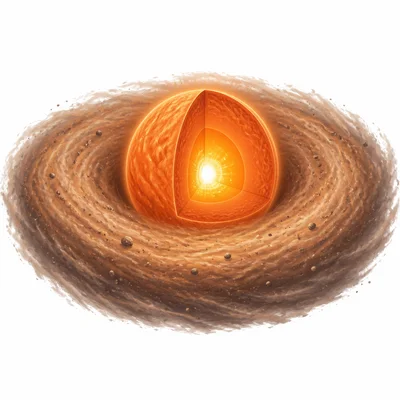
Describe what must happen inside a protostar for it to become a main sequence star.
- 5
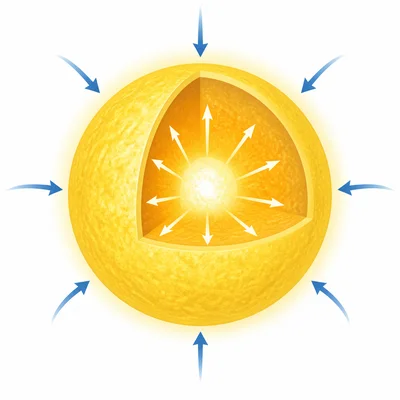
Most stars spend the longest part of their lives as main sequence stars. Explain why this stage lasts so long.
- 6
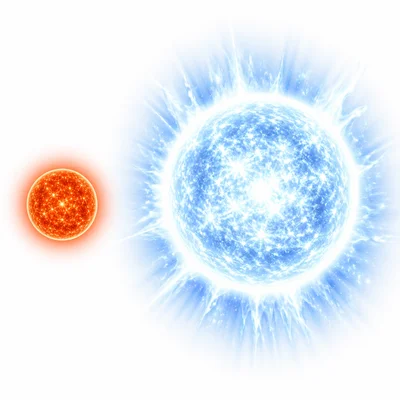
Compare a low-mass star and a high-mass star. Which one usually has a shorter life, and why?
- 7
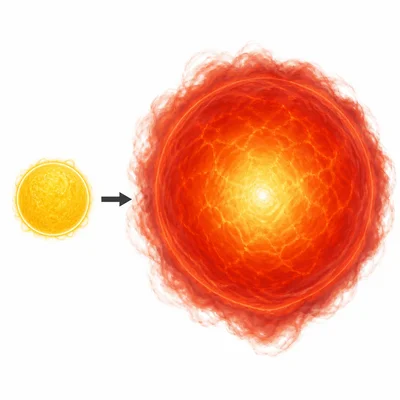
A star like the Sun leaves the main sequence and expands. What stage does it enter, and what is happening to the star?
- 8
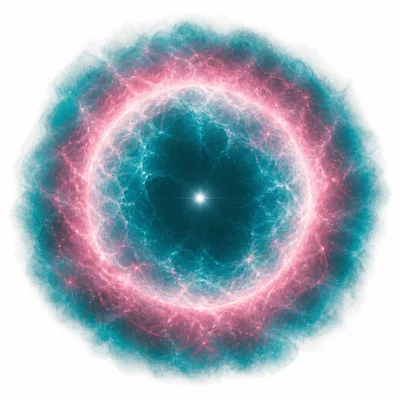
What is a planetary nebula? Explain why the name can be confusing.
- 9
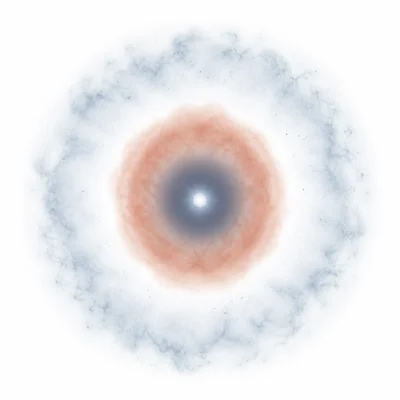
What is a white dwarf, and how does it form?
- 10
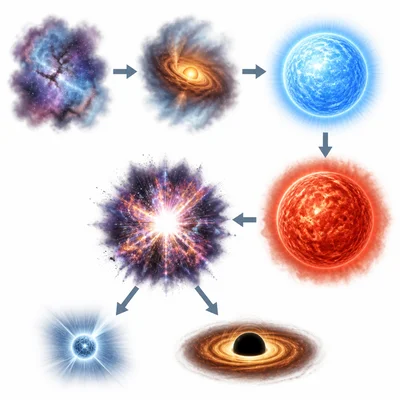
Put these stages in the correct order for the life cycle of a very massive star: supernova, nebula, massive main sequence star, neutron star or black hole, red supergiant, protostar.
- 11
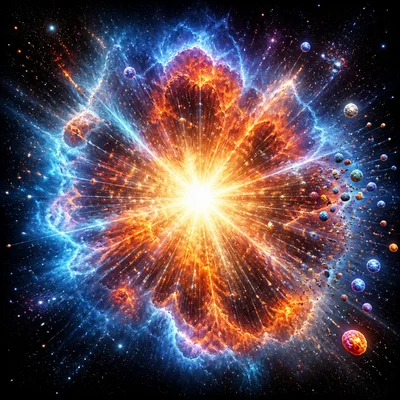
Explain what happens during a supernova and why it is important to the universe.
- 12
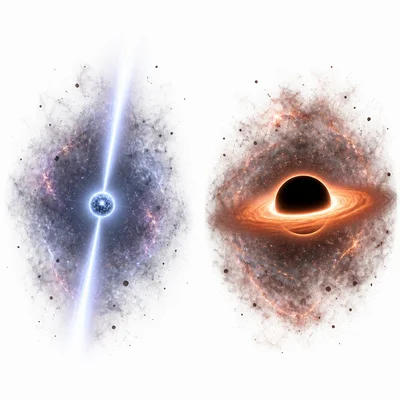
A massive star explodes as a supernova. Explain two possible objects that may be left behind.