Practice distinguishing atoms, molecules, elements, and compounds, and learn how chemical formulas show the building blocks of matter.
Read each problem carefully. Use complete sentences when explaining your thinking. Show your work in the space provided.
Identifying atoms, molecules, elements, and compounds
Chemistry - Grade 6-8
- 1
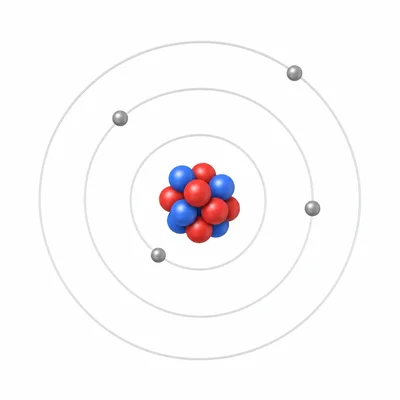
Define an atom in your own words. Include one example of an atom.
- 2
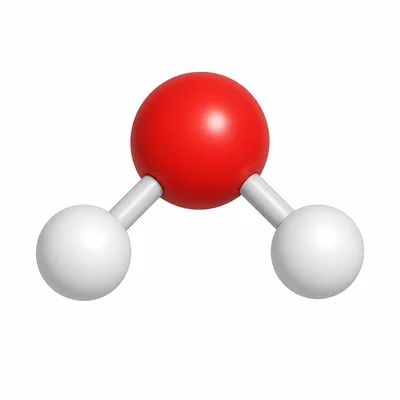
Define a molecule in your own words. Include one example of a molecule.
- 3
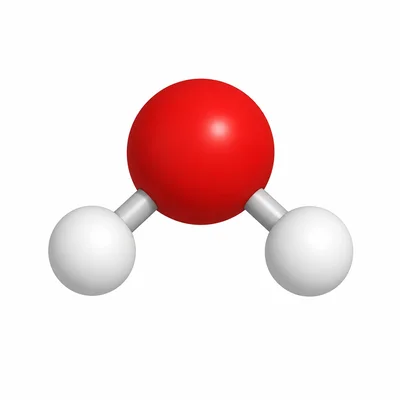
A water particle has the formula H2O. How many hydrogen atoms and oxygen atoms are in one water molecule?
- 4
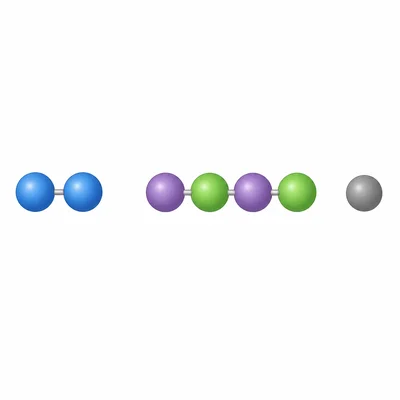
Classify each substance as an element, a molecule, or a compound: O2, NaCl, and He. Explain your choices.
- 5
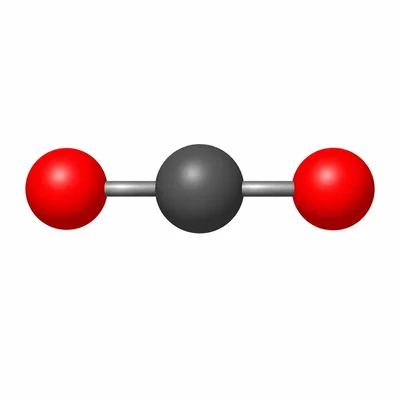
Look at the formula CO2. What elements are present, and how many atoms of each element are in one molecule of CO2?
- 6
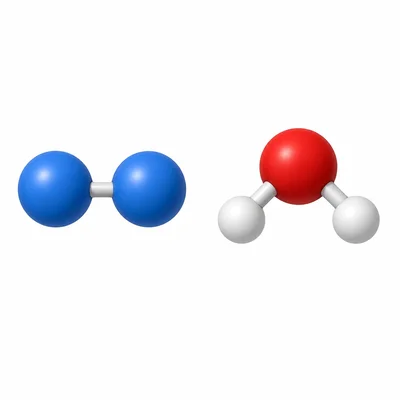
Explain the difference between an element and a compound using the examples oxygen gas, O2, and water, H2O.
- 7
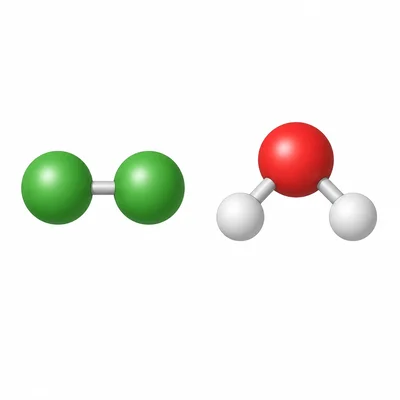
A student says, "All molecules are compounds." Is the student correct? Explain using an example.
- 8
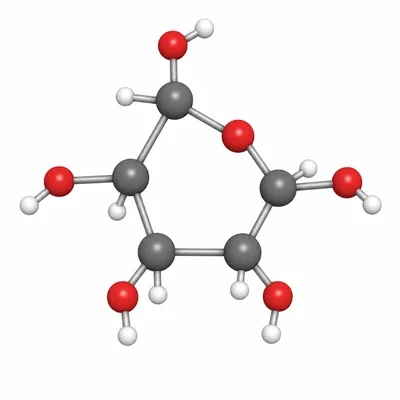
Count the total number of atoms in one molecule of glucose, C6H12O6. Show how you counted.
- 9
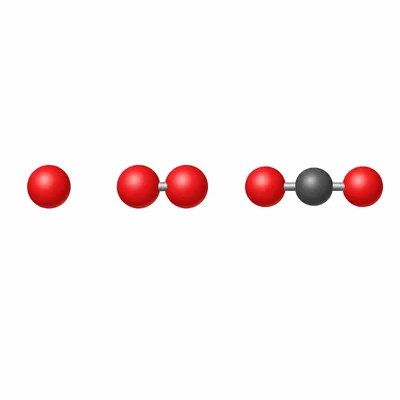
A diagram shows three particles. Particle A is one single oxygen atom. Particle B is two oxygen atoms bonded together. Particle C is one carbon atom bonded to two oxygen atoms. Identify each as an atom, molecule, element, or compound. Use all labels that apply.
- 10
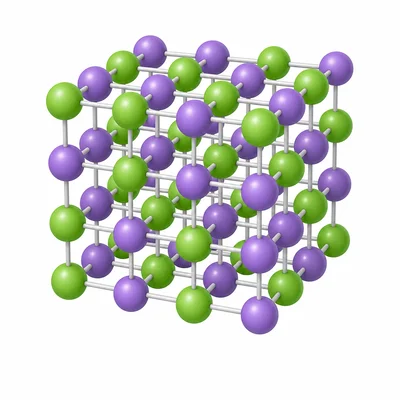
The formula for table salt is NaCl. What does this formula tell you about the types of atoms in table salt?
- 11
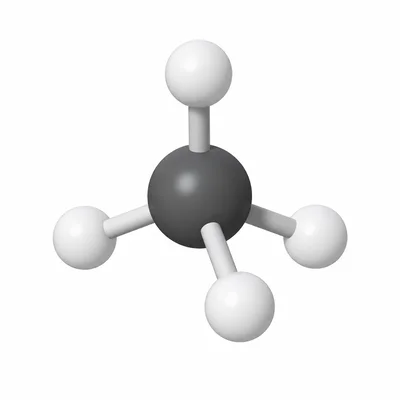
Methane has the formula CH4. Draw or describe the atoms in one methane molecule.
- 12
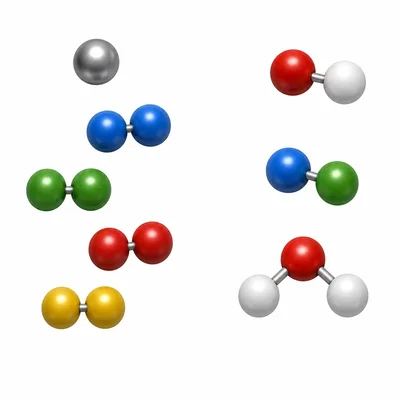
Sort these formulas into two groups: elements and compounds. Formulas: N2, H2O, Fe, CO, Cl2, and MgO. Explain your sorting.