Practice explaining continental drift, identifying plate boundaries, and connecting plate movement to earthquakes, volcanoes, mountains, and seafloor spreading.
Read each problem carefully. Use complete sentences when explaining your thinking. Show your work in the space provided.
Exploring how Earth's plates move and shape the planet
Earth Science - Grade 6-8
- 1
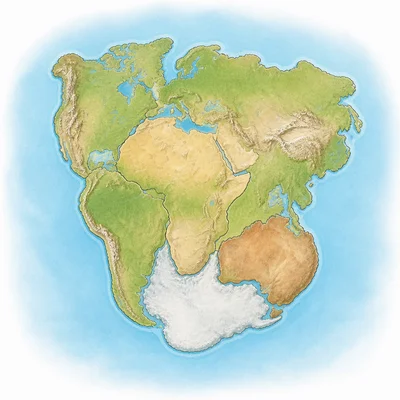
Alfred Wegener proposed that the continents were once joined together in one large landmass. What was this supercontinent called, and what idea did Wegener use it to support?
- 2
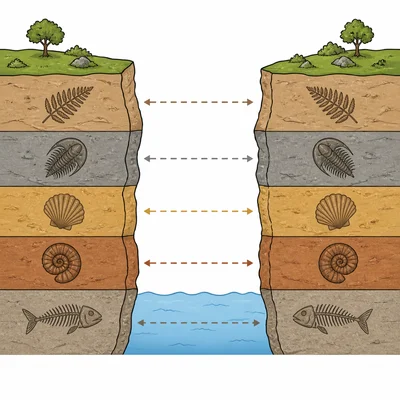
List two pieces of evidence that supported Wegener's theory of continental drift.
- 3
Explain why many scientists did not accept Wegener's idea of continental drift when he first proposed it.
- 4
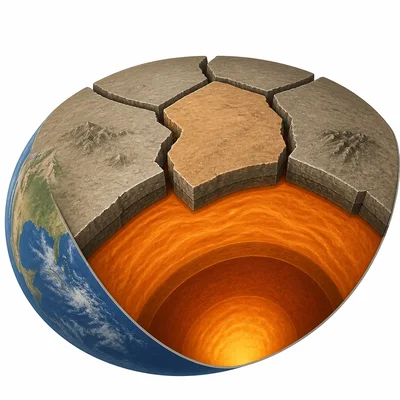
What is a tectonic plate?
- 5
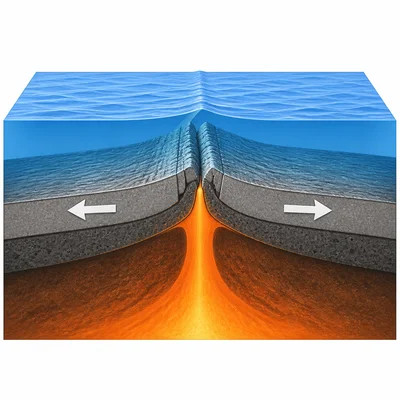
Describe what happens at a divergent plate boundary.
- 6
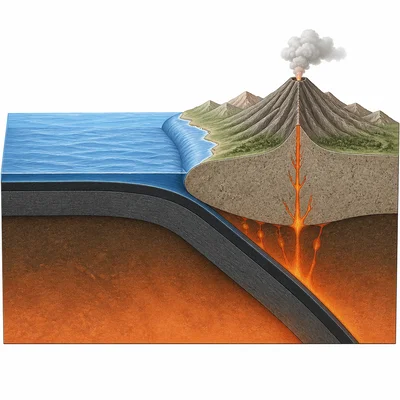
Describe what happens at a convergent plate boundary when an oceanic plate collides with a continental plate.
- 7
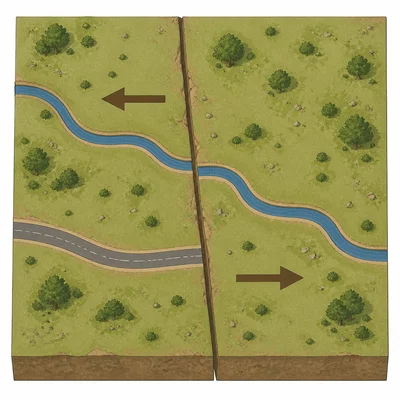
Describe what happens at a transform plate boundary.
- 8
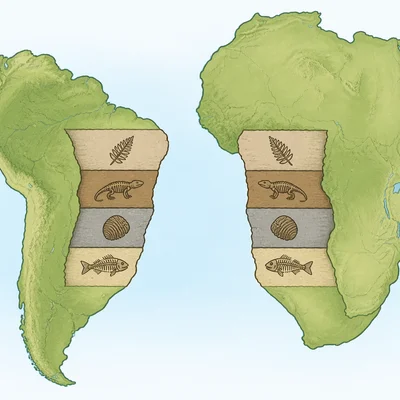
A scientist finds the same fossil species in rock layers in eastern South America and western Africa. Explain why this supports continental drift.
- 9
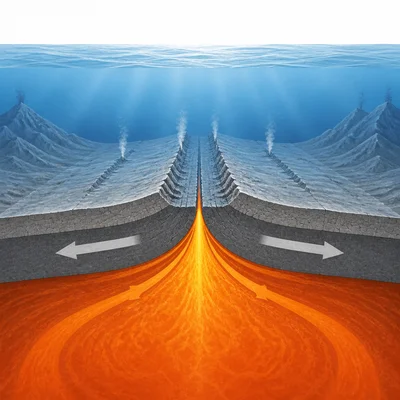
Mid-ocean ridges are long underwater mountain chains where new oceanic crust forms. What plate boundary type is found at a mid-ocean ridge, and what process creates new crust there?
- 10
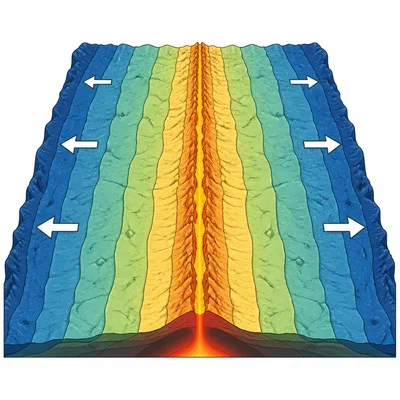
The oceanic crust is youngest near a mid-ocean ridge and gets older farther away from the ridge. Explain why this age pattern occurs.
- 11
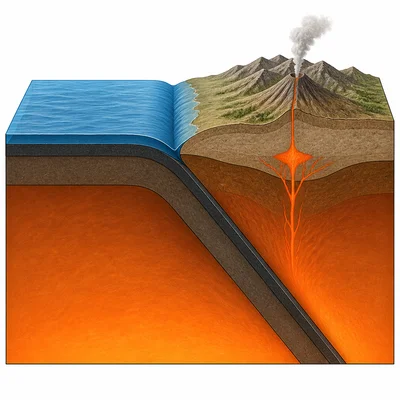
What is subduction, and why does it usually involve oceanic crust sinking beneath another plate?
- 12
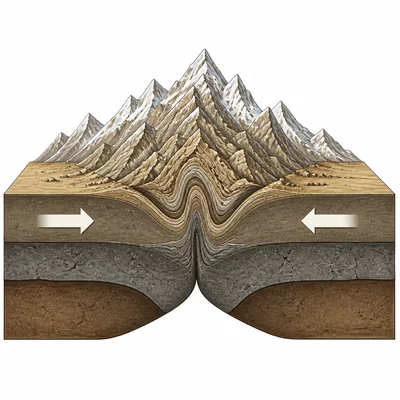
Explain how the Himalaya Mountains formed from plate movement.
- 13
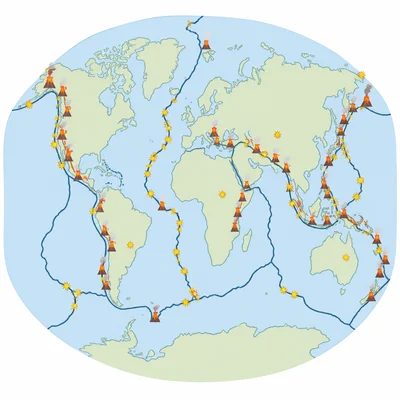
Earthquakes and volcanoes often form in patterns along plate boundaries. Why do these events happen more often near plate boundaries than in the middle of plates?
- 14
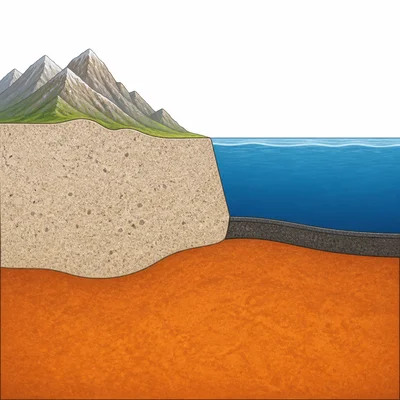
Compare continental crust and oceanic crust. Include one difference in thickness and one difference in density.
- 15
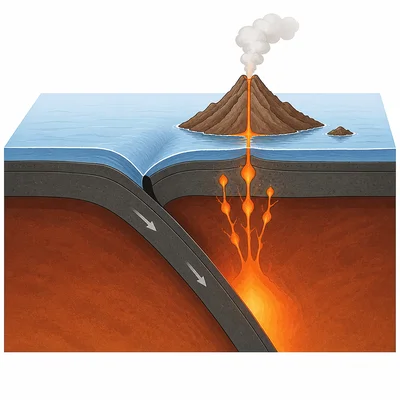
A new island volcano is forming above a subduction zone near the edge of an oceanic plate. Explain the plate tectonic process that could create this volcano.