Practice identifying igneous, sedimentary, and metamorphic rocks by their formation, features, and examples.
Read each problem carefully. Use complete sentences when explaining your thinking.
Classifying rocks by how they form
Earth Science - Grade 4-5
- 1
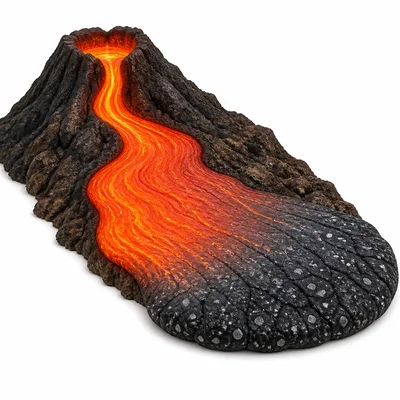
A rock forms when melted rock cools and hardens. What type of rock is it?
- 2
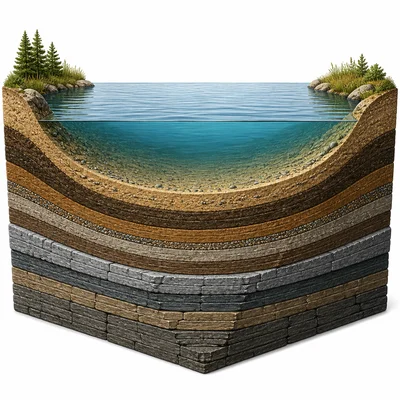
Sand, mud, and small rock pieces settle in layers at the bottom of a lake. Over a long time, the layers are pressed and cemented together. What type of rock forms?
- 3
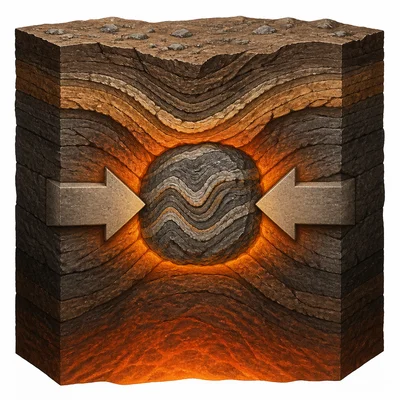
A rock is changed by heat and pressure deep inside Earth, but it does not melt. What type of rock is it?
- 4
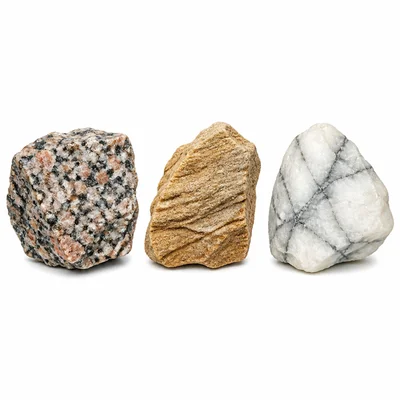
Circle the rock that is most likely igneous: granite, sandstone, or marble. Explain your choice.
- 5
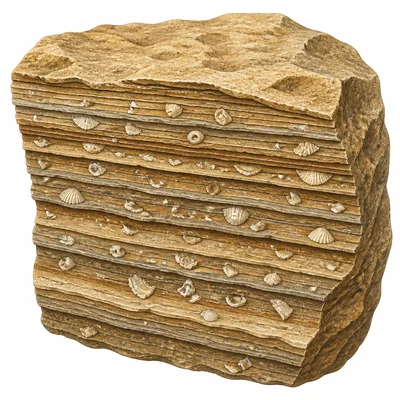
A student finds a rock with many thin, flat layers and tiny pieces of shell inside. Which rock type is it most likely to be?
- 6
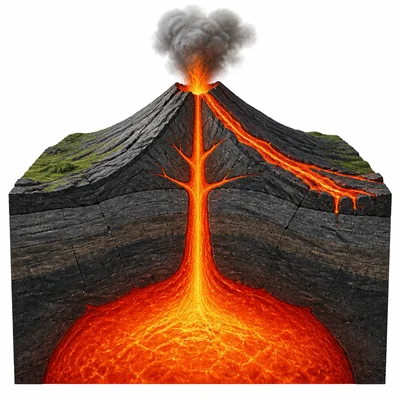
Complete the sentence: Igneous rocks can form from magma below Earth's surface or from lava on Earth's surface.
- 7
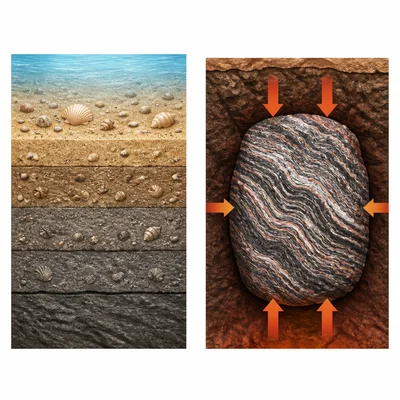
Explain one way sedimentary rocks and metamorphic rocks are different.
- 8
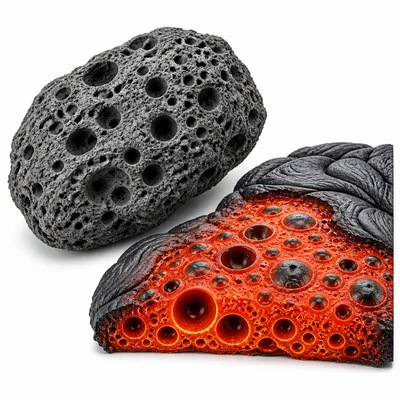
Pumice is a rock with many holes that can form when lava cools quickly with gas bubbles trapped inside. What type of rock is pumice?
- 9
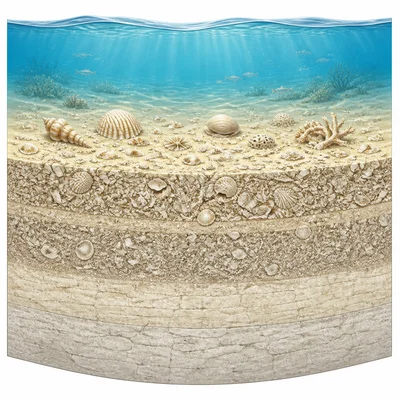
Limestone can form from the remains of ocean animals, such as shells, that build up and harden over time. What type of rock is limestone?
- 10
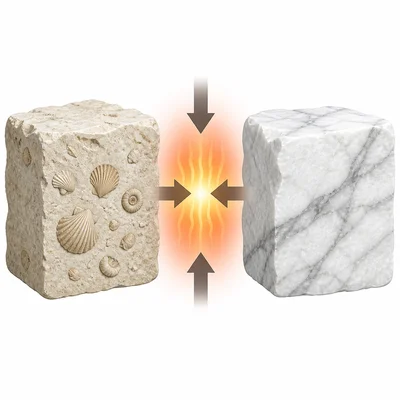
Marble forms when limestone is changed by heat and pressure. What type of rock is marble?
- 11
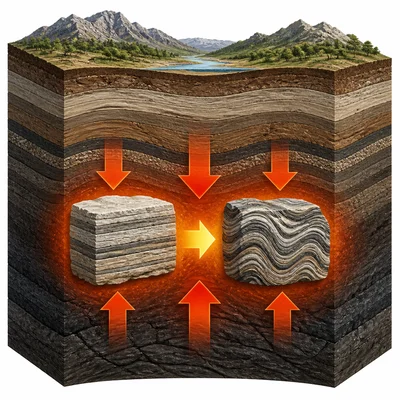
Look at this rock cycle situation: A sedimentary rock is buried deep underground. Heat and pressure change it into a new rock. Name the new rock type and explain what happened.
- 12
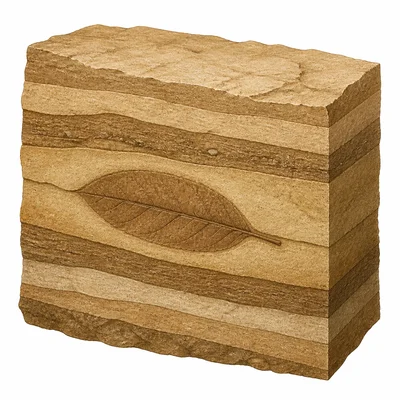
Which rock type is most likely to contain fossils: igneous, sedimentary, or metamorphic? Explain why.
- 13
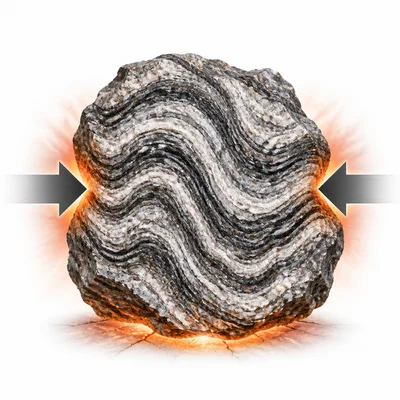
A rock has ribbon-like bands of light and dark minerals. It formed when another rock was squeezed and heated. What type of rock is it most likely to be?
- 14
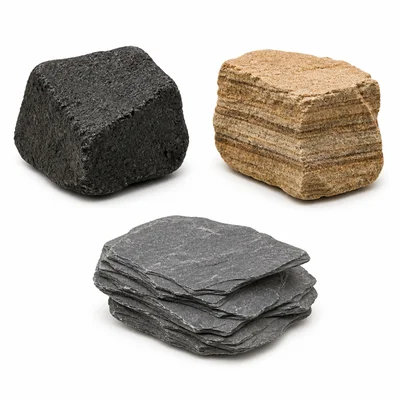
Sort these rocks into the correct groups: basalt, sandstone, slate. Write igneous, sedimentary, or metamorphic next to each rock.
- 15
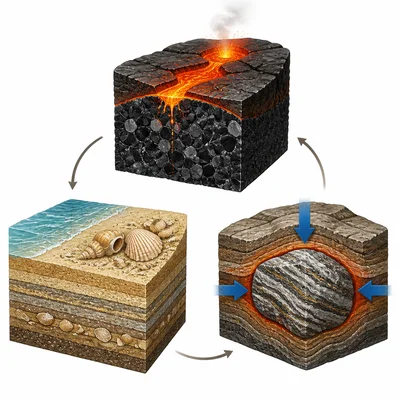
Write one example of each rock type and describe how each one forms: igneous, sedimentary, and metamorphic.