Practice identifying animal adaptations that help Florida animals find food, stay safe, move, and live in their habitats.
Read each problem carefully. Write your answer in complete sentences. Use clues from the animal's habitat and body parts.
How Florida animals use body parts and behaviors to survive
Science - Grade 2-3
- 1
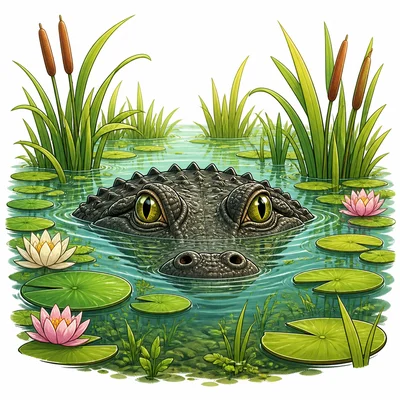
A Florida alligator has eyes and nostrils on top of its head. How does this adaptation help it live in wetlands?
- 2
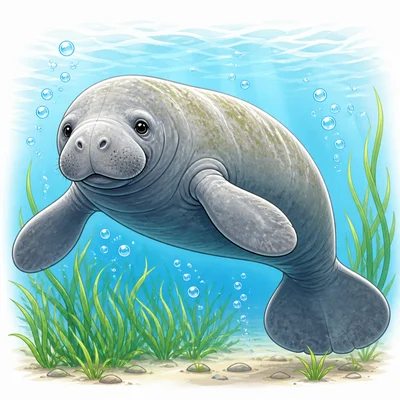
A manatee has paddle-shaped flippers and a flat tail. What do these body parts help the manatee do?
- 3
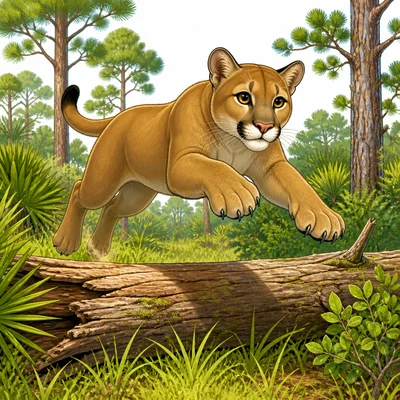
The Florida panther has strong legs and sharp claws. Explain how these adaptations help it survive.
- 4
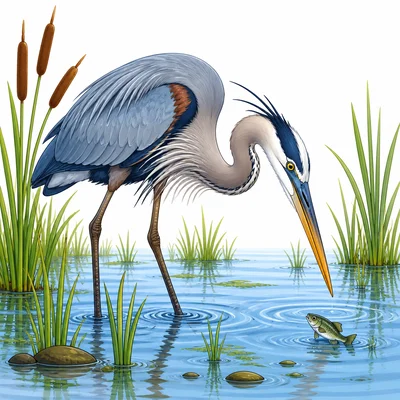
A great blue heron has long legs and a long pointed beak. How do these adaptations help it find food in shallow water?
- 5
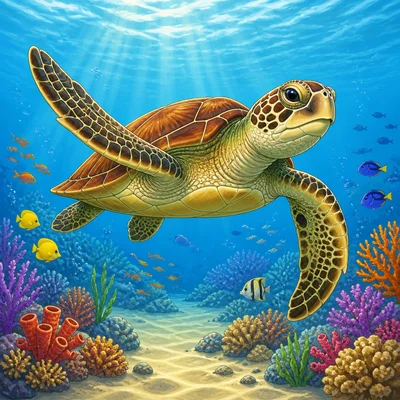
A sea turtle has flippers instead of feet. Why are flippers helpful for a sea turtle?
- 6
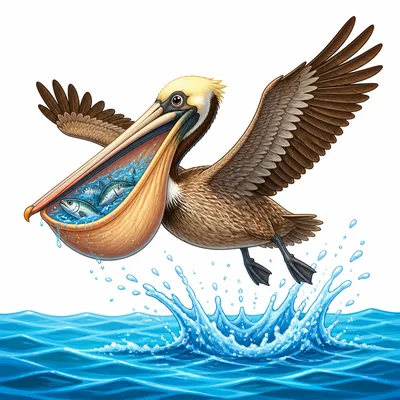
A brown pelican dives into the ocean and has a stretchy pouch under its beak. What is the pouch used for?
- 7
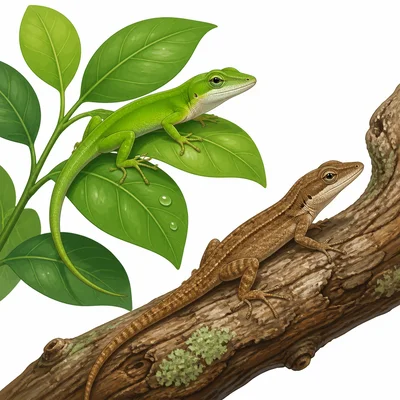
A green anole lizard can change from green to brown. How can this color change help the lizard?
- 8
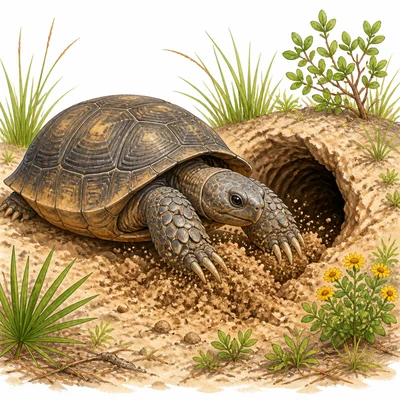
The gopher tortoise has strong front legs and claws for digging. What does it use this adaptation to make?
- 9
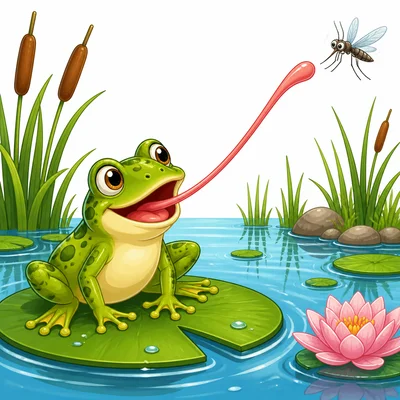
Mosquitoes are common in Florida wetlands. A frog has a long sticky tongue. How does this adaptation help the frog?
- 10

A dolphin has a smooth body shape and fins. Explain how these adaptations help it move in the ocean.
- 11

Some Florida animals are nocturnal, which means they are active at night. Give one reason being active at night can help an animal survive in Florida.
- 12
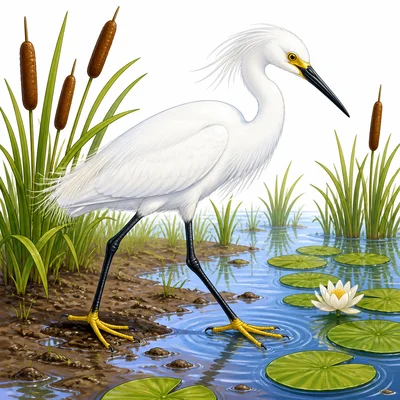
A snowy egret has thin legs and wide feet for walking in wet places. Which habitat would these adaptations be best for: a dry desert, a snowy mountain, or a marsh? Explain your choice.
- 13
Choose one Florida animal you learned about and name one adaptation it has. Tell how the adaptation helps the animal survive.