Practice identifying animal adaptations and explaining how helpful traits can become more common in a population over time.
Read each problem carefully. Use complete sentences when explaining your thinking. Show your work in the space provided.
How traits help animals survive and reproduce
Biology - Grade 4-5
- 1
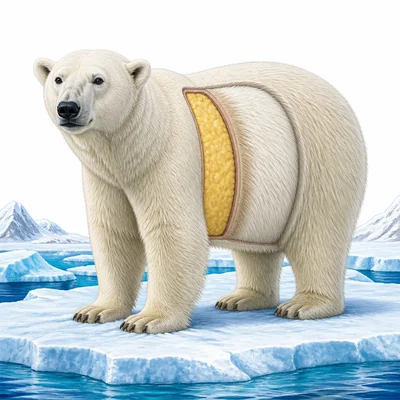
A polar bear has thick fur and a layer of fat under its skin. Explain how these adaptations help it survive in the Arctic.
- 2
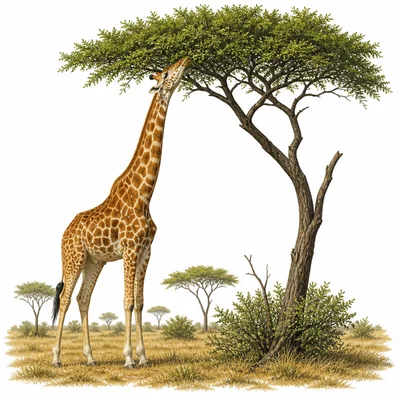
Is a giraffe's long neck a physical adaptation or a behavioral adaptation? Explain your answer.
- 3
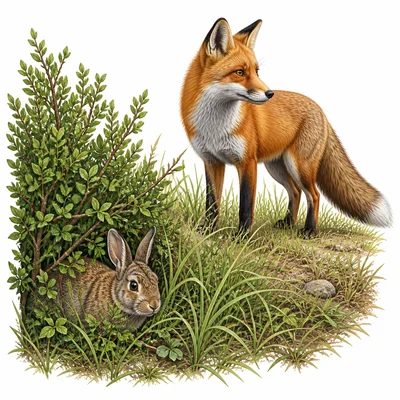
A rabbit freezes and stays very still when it senses a fox nearby. Is this a physical adaptation or a behavioral adaptation? Explain your answer.
- 4
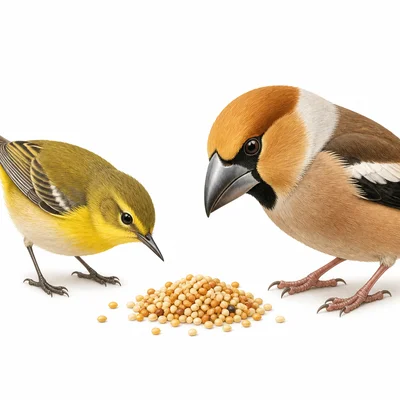
A bird population lives in an area with mostly small, soft seeds. Which beak would probably be most helpful: a short thin beak or a large thick beak? Explain why.
- 5
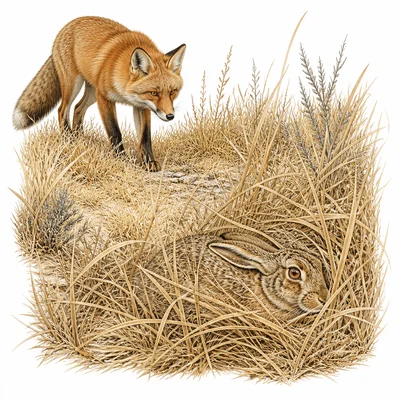
Explain why camouflage can help a prey animal survive.
- 6
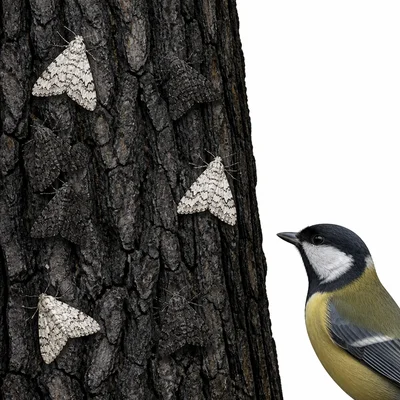
A group of moths lives on dark tree bark. Some moths are dark and some are light. Which moths are more likely to survive if birds hunt them by sight? Explain your answer.
- 7
True or false: An individual animal changes its body on purpose because it needs to survive. Explain the correct idea.
- 8
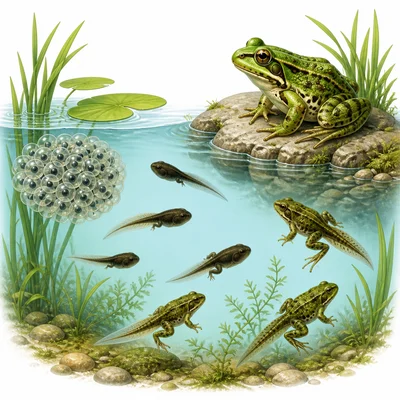
A frog lays hundreds of eggs, but only some tadpoles survive to become adult frogs. How can this affect natural selection?
- 9
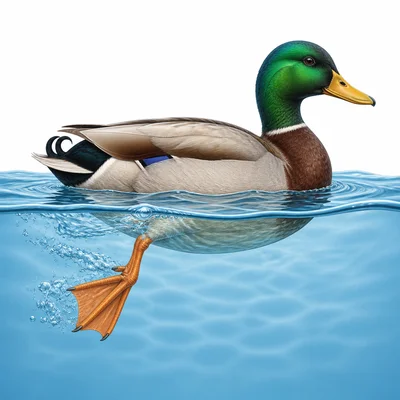
Name one adaptation that helps a duck live in or near water. Explain how it helps.
- 10
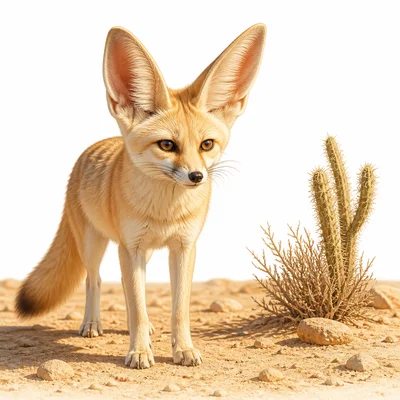
A desert fox has large ears. Explain how large ears might help the fox survive in a hot desert.
- 11
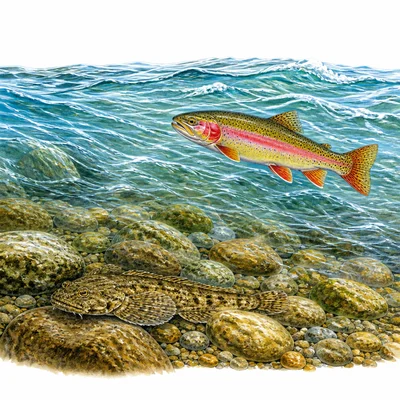
Which trait would be more helpful for a fish that lives in fast-moving water: a flat, wide body that helps it stay close to rocks, or bright colors that make it easy to see? Explain your choice.
- 12
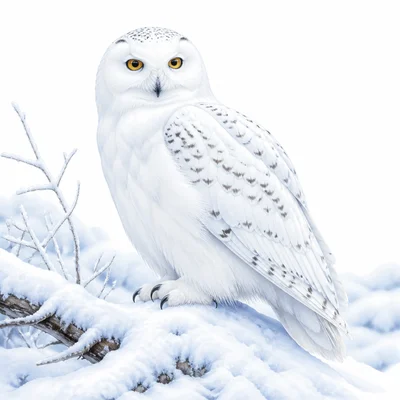
A snowy owl is white. Explain how this color can help it survive in a snowy habitat.
- 13
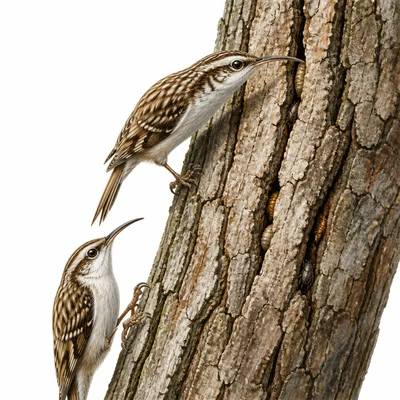
In a certain habitat, insects are the main food source for birds. Birds with longer beaks can reach insects inside cracks in tree bark. Over many generations, what might happen to the number of birds with longer beaks? Explain why.
- 14
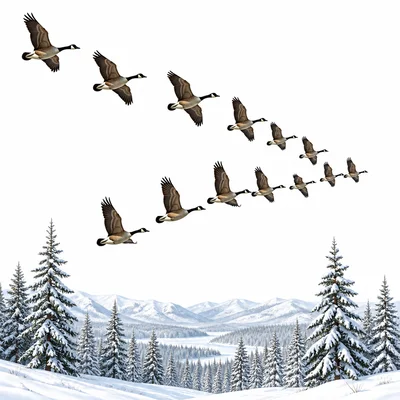
Give one example of a behavioral adaptation that helps an animal survive during cold seasons.
- 15
A student says, "All adaptations are helpful in every habitat." Explain why this statement is not correct.