Practice recognizing major organic functional groups and describing common reaction patterns such as substitution, addition, elimination, oxidation, and esterification.
Read each problem carefully. Identify the functional group or reaction type and explain your reasoning in clear sentences. Show any structures or notes in the space provided.
Identifying common functional groups and predicting basic organic reactions
Chemistry - Grade 9-12
- 1
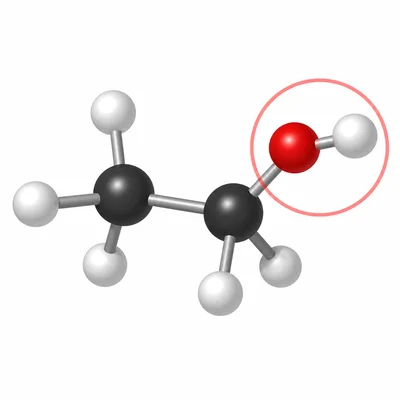
Identify the functional group in the molecule CH3CH2OH. State the name of the compound class.
- 2
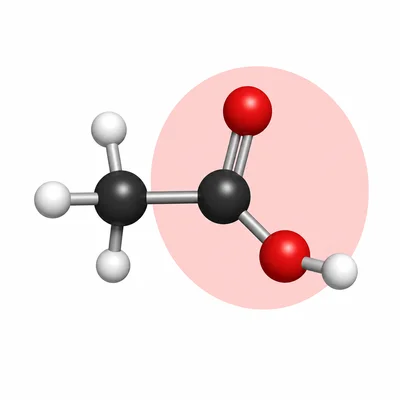
A molecule has the structure CH3COOH. Identify its functional group and name the compound class.
- 3
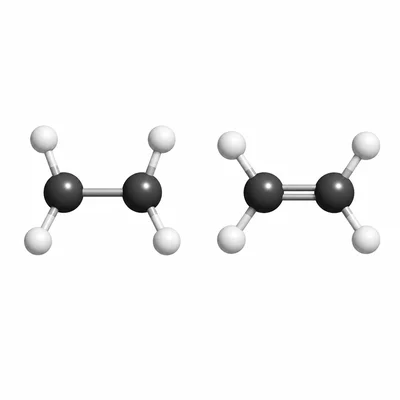
Compare an alkane and an alkene. Describe the key structural difference between these two classes of hydrocarbons.
- 4
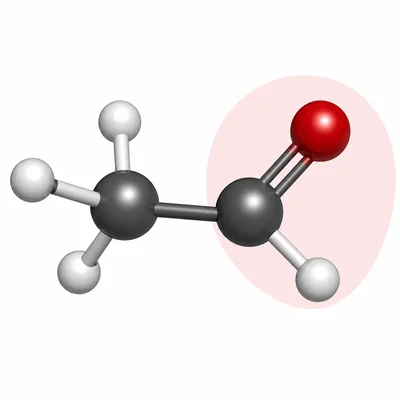
Identify the functional group present in CH3CHO and name the compound class.
- 5
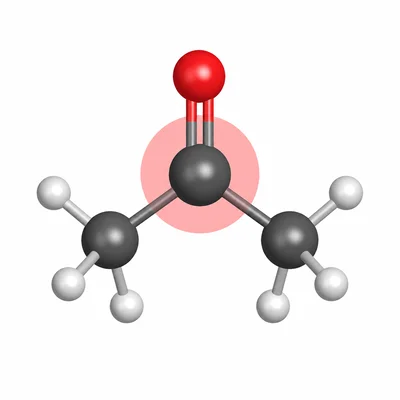
Identify the functional group present in CH3COCH3 and name the compound class.
- 6
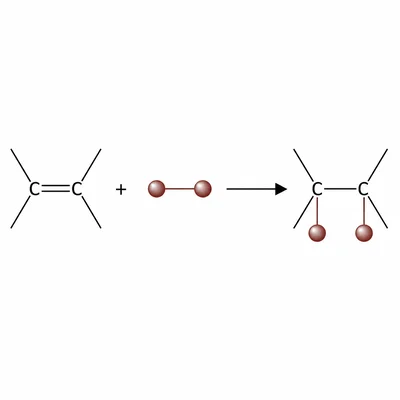
Ethene reacts with bromine in an addition reaction. Describe what happens to the carbon-carbon double bond during this reaction.
- 7
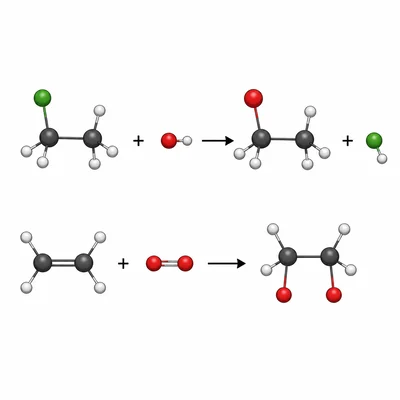
Explain the difference between substitution and addition reactions in organic chemistry.
- 8
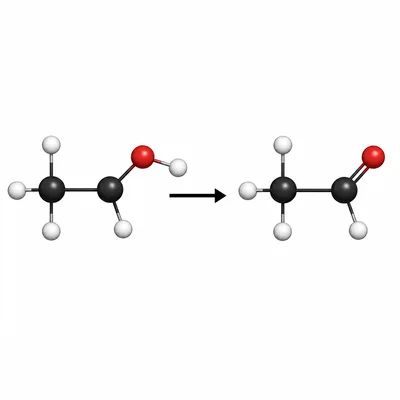
An alcohol is oxidized to form an aldehyde. Describe one structural change that occurs during this oxidation.
- 9
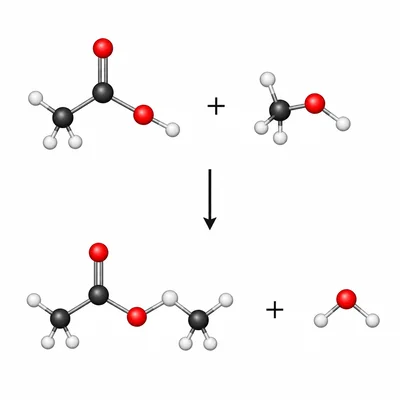
Methanoic acid reacts with ethanol to form an ester and water. Name the type of reaction and identify the two reactant classes.
- 10
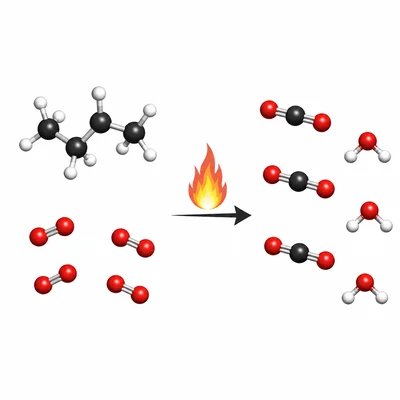
Describe the product formed when an alkane undergoes complete combustion in excess oxygen.
- 11
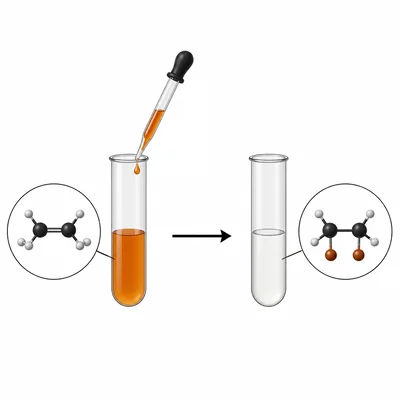
A student tests an unknown organic compound and finds that it rapidly decolorizes bromine water. What does this result suggest about the compound?
- 12
Explain why functional groups are important in organic chemistry.