Practice identifying variables, designing controlled experiments, and applying ethical principles used in psychological research.
Read each scenario carefully. Answer in complete sentences and explain your reasoning when asked.
Designing fair studies and protecting participants
Psychology - Grade 9-12
- 1
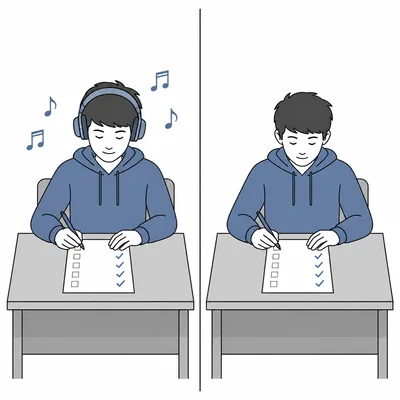
A psychologist wants to test whether listening to classical music while studying improves quiz scores. Students are assigned to study with classical music or in silence, then take the same quiz. Identify the independent variable and the dependent variable.
- 2
Write an operational definition for the variable stress in a study about test preparation.
- 3
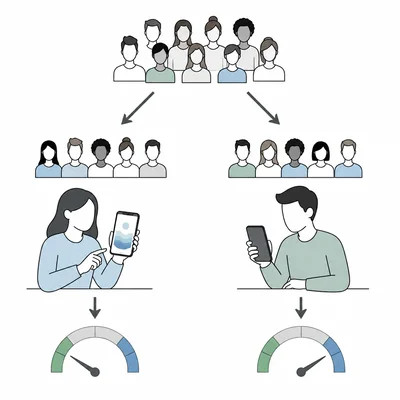
A researcher claims that a new phone app reduces anxiety. Describe a simple experimental design that could test this claim, including a control group and an experimental group.
- 4
Explain the difference between random sampling and random assignment in psychological research.
- 5
A study finds that students who sleep more have higher grades. The researcher concludes that sleep causes higher grades. Explain why this conclusion may not be justified.
- 6
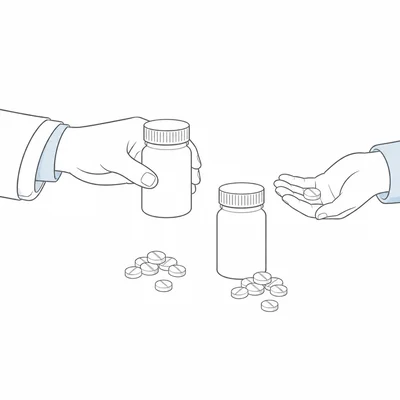
In a medication study, one group receives the actual medication and another group receives a sugar pill that looks the same. What is the purpose of the sugar pill?
- 7
A researcher studying memory gives one class a memory strategy lesson and another class no lesson. The memory strategy class is taught by a highly enthusiastic teacher, while the no-lesson class is taught by a substitute teacher. Identify a possible confounding variable and explain why it matters.
- 8
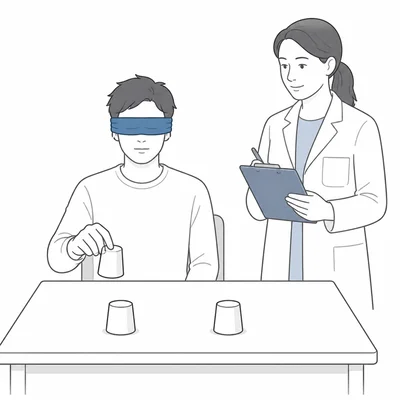
A study is single-blind. What does this usually mean, and why can it improve an experiment?
- 9
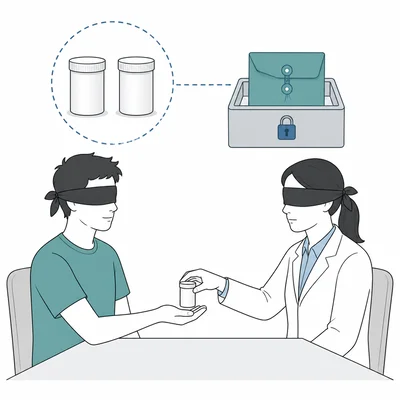
A double-blind study is used to test a new therapy for depression. Explain what double-blind means in this context.
- 10
Read this consent statement: You will complete a mood survey and watch a short video. You may stop at any time without penalty. Your responses will be kept confidential. Identify two ethical protections included in the statement.
- 11
A researcher tells participants they are taking a logic test, but the real purpose is to study how people react to failure. Participants are given impossible questions so they will feel frustrated. What ethical issue is involved, and what should the researcher do after the study?
- 12
Why do many psychology studies need review by an Institutional Review Board or ethics committee before data collection begins?
- 13
A psychologist wants to study stress in middle school students by collecting detailed information about family conflict. Name one extra ethical concern when research involves minors and explain how it can be addressed.
- 14
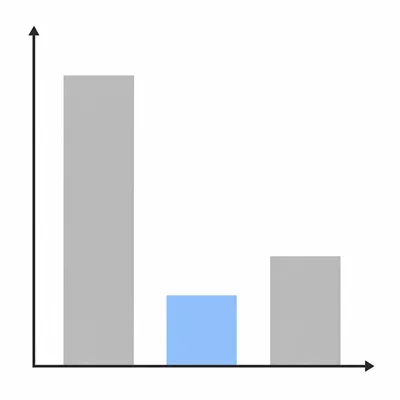
A table shows average stress scores after a study: Control group = 7.2, mindfulness group = 5.1, exercise group = 5.4. Based on these results, which group had the lowest average stress, and what cautious conclusion could be made?
- 15
Design an ethical study to test whether taking short breaks during homework improves concentration. Include the independent variable, dependent variable, one control, and one ethical protection.