Practice AP World History skills by explaining causes, consequences, comparisons, and continuities in global conflict and independence movements.
Answer each prompt in complete sentences. Use specific historical evidence and explain your reasoning.
Analyzing world wars, decolonization, and nationalist movements in the twentieth century
Social Studies - Grade 9-12
- 1
Explain one way World War I weakened European imperial powers and helped encourage independence movements in the twentieth century.
- 2
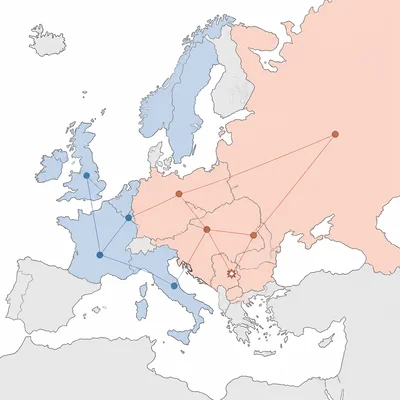
Identify one major cause of World War I and explain how it contributed to the outbreak of the conflict.
- 3
Compare the goals of the Indian National Congress and the Muslim League in the years leading to Indian independence.
- 4
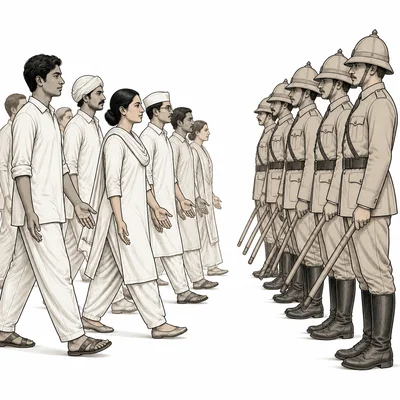
Explain one reason Gandhi's strategy of nonviolent resistance was effective against British rule in India.
- 5
Describe one similarity between the independence movements in India and Ghana.
- 6
Explain how World War II contributed to the decline of European colonial empires.
- 7
Use the concept of self-determination to explain why many colonized peoples challenged imperial rule after 1918.
- 8
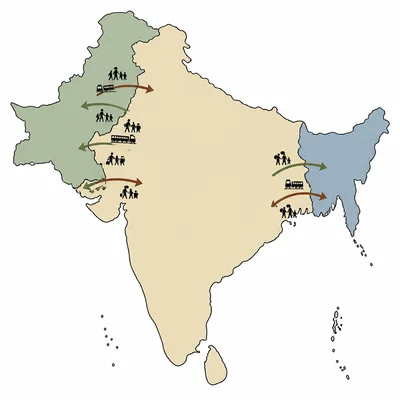
Explain one important effect of the partition of India in 1947.
- 9
Compare the decolonization of India with the decolonization of Algeria. Explain one key difference.
- 10
Explain one way the Cold War shaped independence movements or newly independent states.
- 11

What was the purpose of the Bandung Conference of 1955, and why was it significant?
- 12
Explain one cause and one effect of nationalist movements in Vietnam during the twentieth century.
- 13
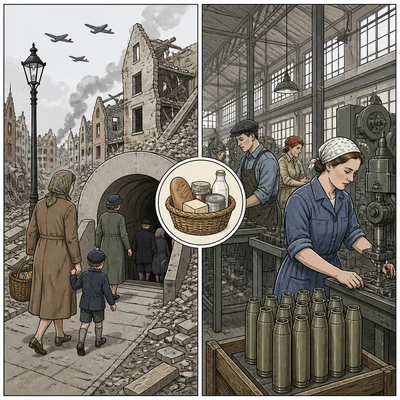
Describe one way total war affected civilians during World War I or World War II.
- 14
Explain one continuity in anti-colonial movements from the late nineteenth century through the twentieth century.
- 15
Write a thesis statement for an essay comparing two independence movements in the twentieth century. Your thesis should make a historically defensible claim and include a line of reasoning.