Practice AP World History skills by explaining causes, effects, comparisons, and continuities related to industrialization and empire.
Read each problem carefully. Use specific historical evidence and complete sentences. Show your reasoning in the space provided.
Analyzing industrial growth, imperial expansion, and global change from 1750 to 1900
Social Studies - Grade 9-12
- 1
Explain one major reason Britain was the first country to industrialize in the late 1700s.
- 2
Compare industrialization in Britain and Japan during the period 1750 to 1900. Identify one similarity and one difference.
- 3
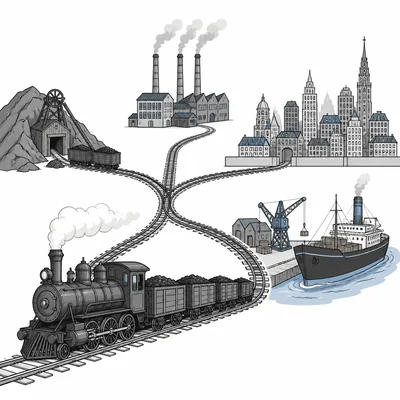
A historian argues that railroads were one of the most important technologies of the Industrial Revolution. Explain one piece of evidence that supports this claim.
- 4
Describe one way industrialization changed the lives of working-class people in cities.
- 5
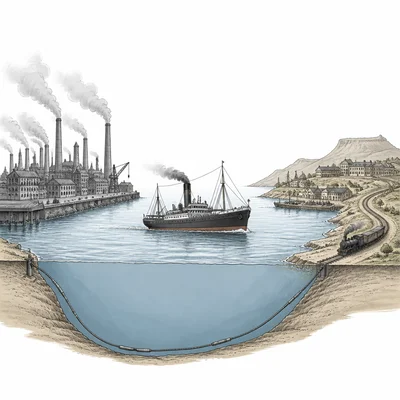
Explain how the Second Industrial Revolution contributed to European imperial expansion in the late nineteenth century.
- 6
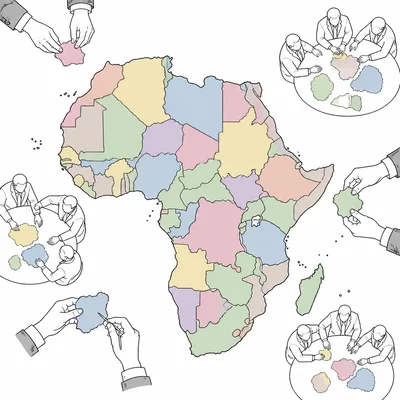
Use the Berlin Conference of 1884 to 1885 as evidence to explain one feature of European imperialism in Africa.
- 7
Identify one economic motive for imperialism and explain how it shaped colonial rule.
- 8
Explain one way colonized peoples resisted imperial rule between 1750 and 1900.
- 9
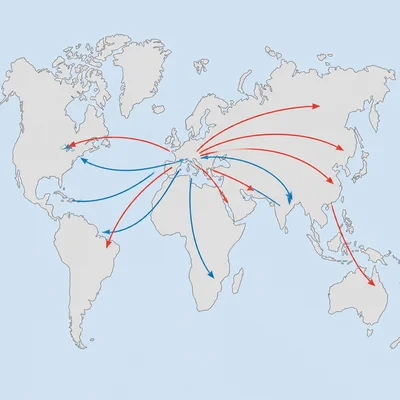
Analyze the impact of industrialization on global trade patterns from 1750 to 1900.
- 10
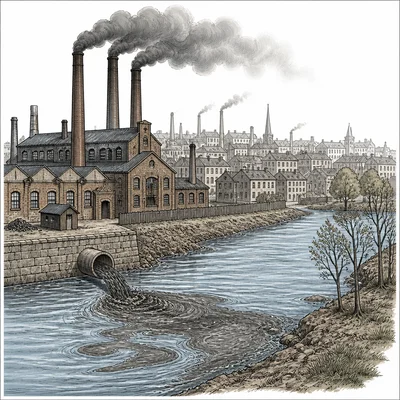
Explain one way industrialization affected the environment during the nineteenth century.
- 11
Describe one connection between industrial capitalism and new social classes in the nineteenth century.
- 12
Explain how ideologies such as Social Darwinism or the civilizing mission were used to justify imperialism.
- 13
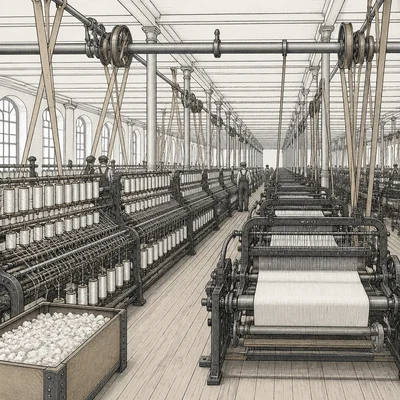
The chart shows that British cotton textile exports increased sharply between 1800 and 1850. Explain one likely cause of this increase.
- 14
Write a defensible thesis for an essay evaluating the extent to which industrialization caused imperial expansion from 1750 to 1900.
- 15
Identify one continuity and one change in labor systems during the age of industrialization and empire.