School Garden Ecosystem Mission
Build a garden ecosystem by choosing starting populations of plants and animals. Predict what will happen, run the simulation week by week, and discover how predators and prey depend on each other to keep the garden in balance.
Guided ExperimentGarden Ecosystem Investigation
What do you think will happen to each population over 3 weeks? Why?
Write your hypothesis in the Lab Report panel, then click Next.
Controls
Set starting populations (1 to 10)
Week 0 of 8
Current Populations
Food Web
Arrows show what each organism eats. Birds eat earthworms, butterflies, and slugs. Slugs eat sunflowers.
My Prediction
Data Table
(1 row)| # | Week | Sunflower | Earthworm | Butterfly | Bird | Slug | |
|---|---|---|---|---|---|---|---|
| 1 |
Reference Guide
Food Webs
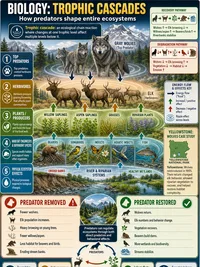
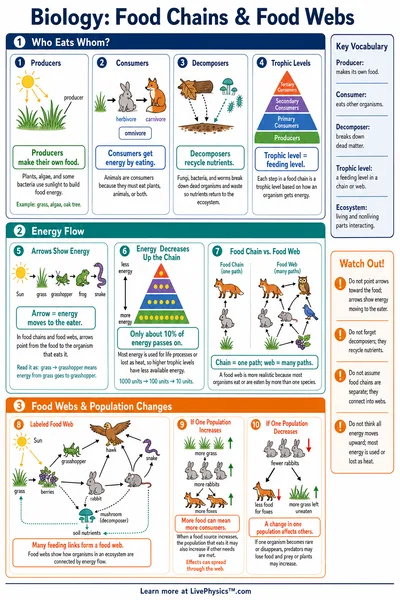
A food web shows how energy moves through an ecosystem. Producers (like sunflowers) make their own food from sunlight. Consumers eat other organisms to get energy.
- Producers are eaten by herbivores and some omnivores.
- Herbivores eat only plants.
- Carnivores eat animals.
- Decomposers break down dead matter, recycling nutrients.
In this garden, sunflowers are the producer. Slugs are herbivores. Birds are carnivores. Earthworms are decomposers. Butterflies are pollinators that help sunflowers reproduce.
Predator-Prey Dynamics
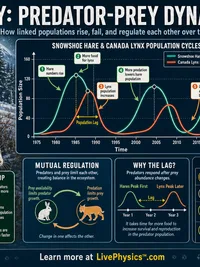
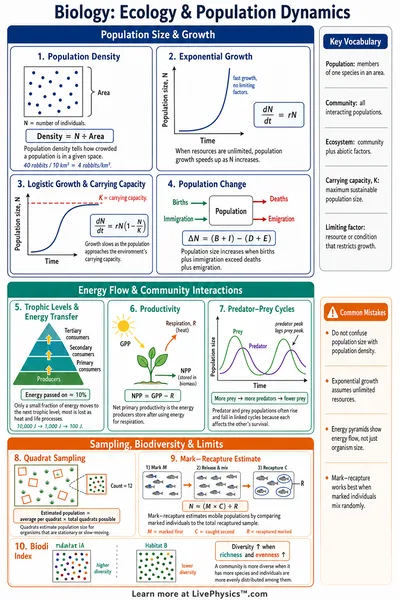
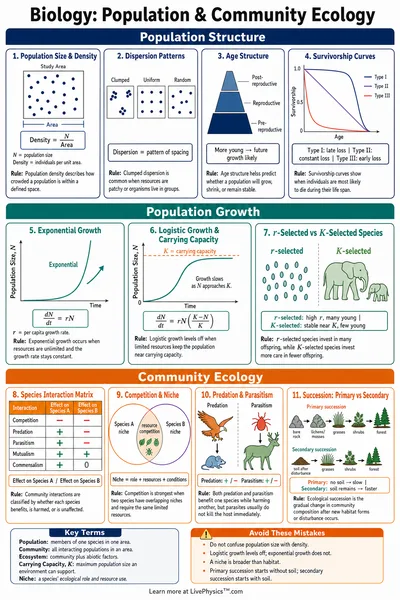
Predator and prey populations affect each other in a cycle. When prey is plentiful, predators multiply. More predators eat more prey, so prey numbers fall. Then predators have less food and their numbers drop too. With fewer predators, prey can recover, starting the cycle again.
- More birds means fewer slugs and butterflies.
- Fewer slugs means sunflowers can grow.
- More sunflowers help butterflies thrive.
- More butterflies means birds have more food.
Ecosystem Balance
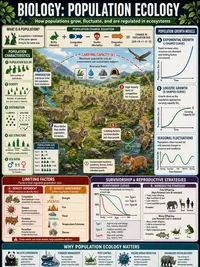
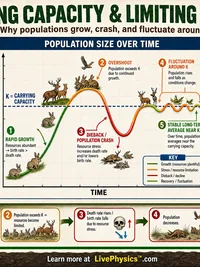
A balanced ecosystem keeps all its species. If one population grows too large or disappears (goes extinct), it can upset the balance for every other species.
- Extinction happens when a population reaches zero. Once a species is gone, it cannot return in this simulation.
- Overpopulation happens when a population grows past what the ecosystem can support.
- Try different starting numbers to find a stable combination where all five organisms survive for all 8 weeks.
NGSS Connection
This lab connects to the Next Generation Science Standards for grades 3-5.
- 5-LS2-1 Develop a model to describe the movement of matter among plants, animals, decomposers, and the environment.
- 3-5-ETS1-2 Generate and compare multiple possible solutions to a problem based on how well each meets the criteria.
- Science Practices Developing and using models, analyzing and interpreting data, constructing explanations.