Understanding Wind Turbine Blade Design Lab
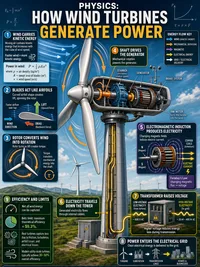
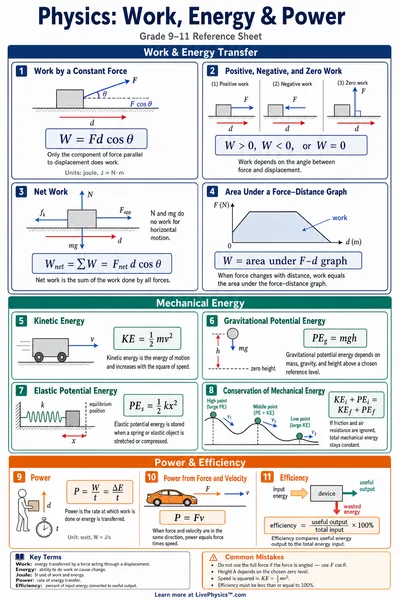
A wind turbine takes kinetic energy from moving air. The blades slow the air by pushing it backward, and that push creates a turning force on the hub. A generator then changes the rotation into electrical energy.
The air cannot be brought to a complete stop behind the rotor. If it stopped, no new air could pass through the swept circle of the blades. Some wind energy must remain in the outgoing air, which sets a firm physical ceiling on extraction.
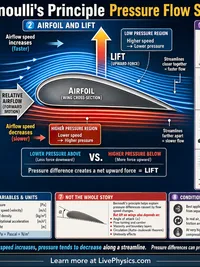
Blade shape matters more than simple surface area. Most working blades are shaped like aircraft wings, with a curved upper surface and a flatter lower surface. This shape creates a pressure difference that produces lift in the direction of rotation.
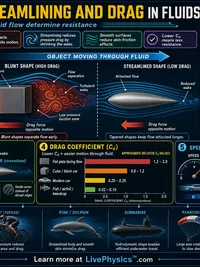
Drag works differently from lift. It pushes more directly with the wind and can start a rotor turning, but it wastes much of the available energy at high speed. Efficient turbines rely mainly on lift once they are spinning.
The angle between a blade and the oncoming air controls the balance of lift and drag. A small change can increase useful turning force or cause the airflow to separate from the blade surface. Separated flow is called stall, and it reduces performance sharply.
Longer blades sweep a larger circular area. This allows the rotor to interact with more moving air each second, so power can rise greatly. It also increases bending forces near the root, where the blade joins the hub.
Adding more blades gives the rotor more area facing the wind. This can help it begin turning in gentle wind and makes rotation smoother. However, extra blades add weight, cost, and aerodynamic interference, so modern electricity turbines usually use three.
A rotor must spin at a suitable speed for the wind conditions. If it turns too slowly, the blade sections meet the air at an inefficient angle. If it turns too quickly, drag rises, noise increases, and the blade tips can experience severe loads.
The wind speed has an especially strong effect on power. Wind power depends on air density, swept area, and the cube of wind speed. A wind that is twice as fast contains eight times as much power per unit area.
This cubic relationship explains why turbines have operating limits. In weak wind, the generator may not produce enough useful electricity to connect to the grid. In very strong wind, turbines reduce blade angle or stop entirely to protect the structure.
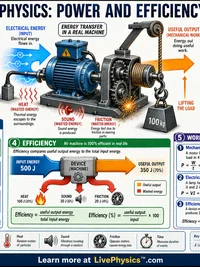
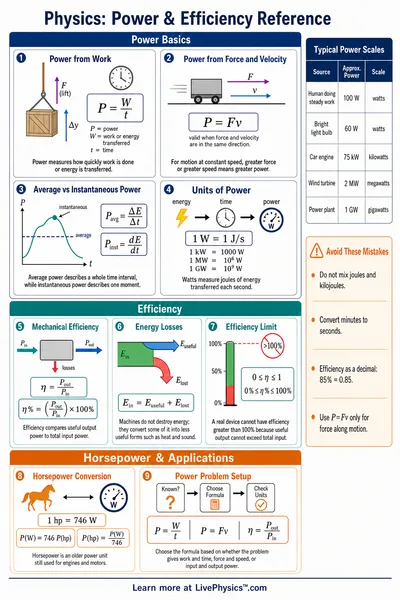
Real turbines lose energy in several places after the rotor turns. Bearings create friction, gearbox parts can waste energy as heat, and generators are not perfectly efficient. Wakes behind turbines can reduce the wind reaching machines farther down a wind farm.
In a design lab, change one variable at a time before comparing results. Watch both output and efficiency, since the largest output is not always the best use of the wind. Look for a design that keeps airflow attached, turns smoothly, and avoids excessive speed or structural stress.