Practice telling the difference between physical changes and chemical changes using everyday examples, observations, and evidence.
Read each problem carefully. Decide whether each change is physical or chemical, and explain your thinking using evidence.
Identify changes in matter and evidence of new substances
Chemistry - Grade 6-8
- 1
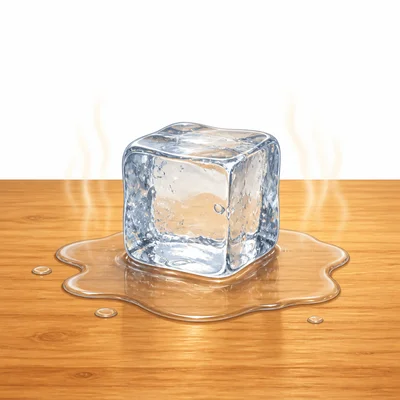
An ice cube melts into liquid water on a warm table. Is this a physical change or a chemical change? Explain your answer.
- 2
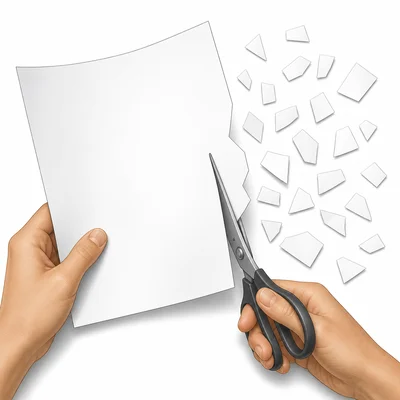
A piece of paper is cut into many small pieces with scissors. Is this a physical change or a chemical change? Explain your answer.
- 3
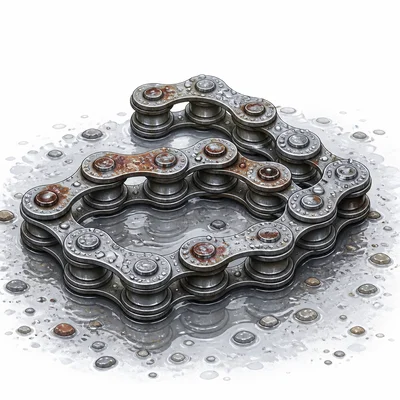
A metal bicycle chain is left outside in the rain and begins to rust. Is this a physical change or a chemical change? Explain your answer.
- 4
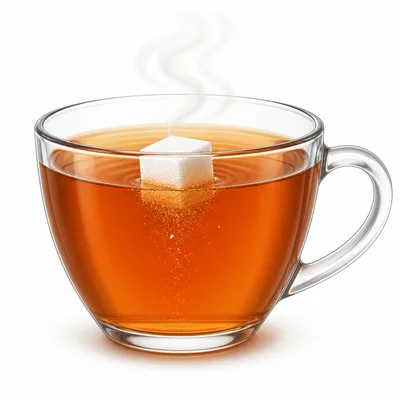
A sugar cube dissolves in a cup of hot tea. Is this a physical change or a chemical change? Explain your answer.
- 5
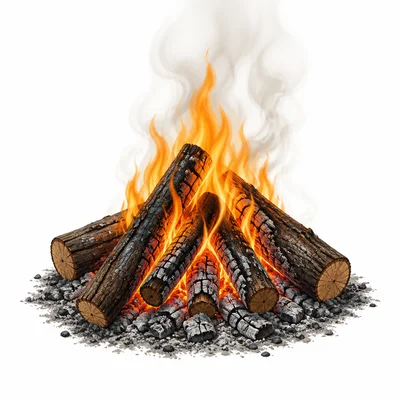
Wood burns in a campfire and produces ash, smoke, heat, and light. Is this a physical change or a chemical change? Explain your answer.
- 6
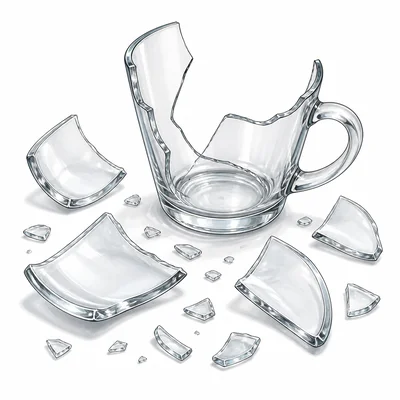
A glass cup breaks into several pieces when it falls. Is this a physical change or a chemical change? Explain your answer.
- 7
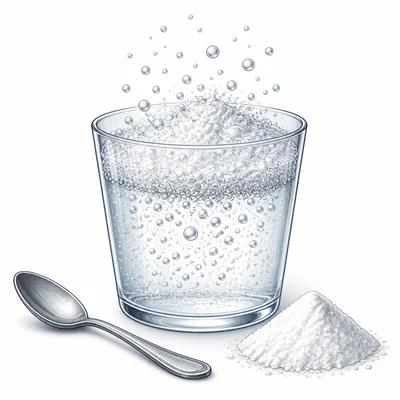
Vinegar and baking soda are mixed in a cup. Bubbles quickly form and gas escapes. Is this a physical change or a chemical change? Explain your answer.
- 8
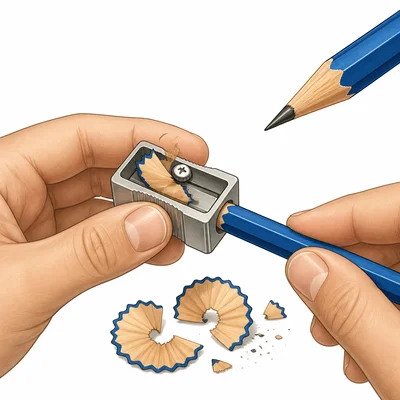
A student sharpens a pencil, producing small wood shavings and a sharp point. Is this a physical change or a chemical change? Explain your answer.
- 9
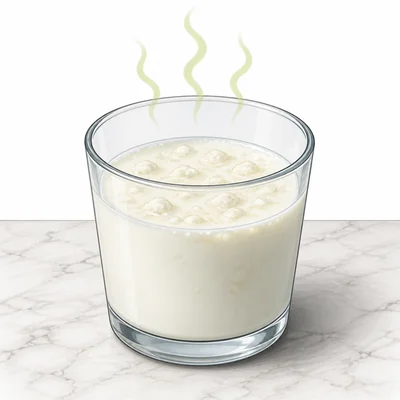
Milk is left out for several days and develops a sour smell. Is this a physical change or a chemical change? Explain your answer.
- 10
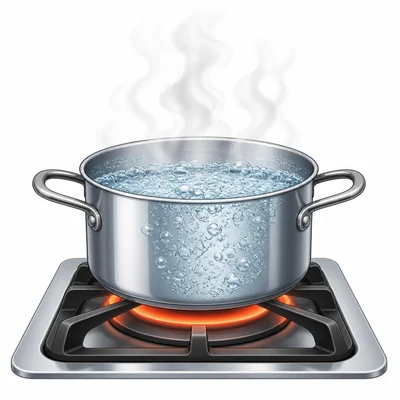
A pot of water boils on a stove, and steam rises from the pot. Is this a physical change or a chemical change? Explain your answer.
- 11
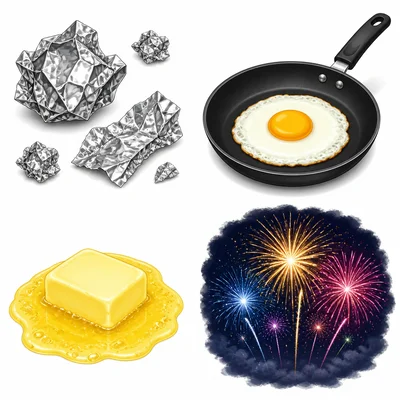
Classify each change as physical or chemical: tearing aluminum foil, frying an egg, melting butter, and fireworks exploding.
- 12
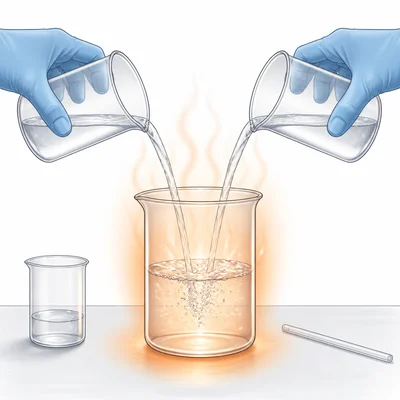
A student observes that two clear liquids are mixed and the container becomes warm. No flame is present. What evidence suggests a chemical change may have occurred?
- 13
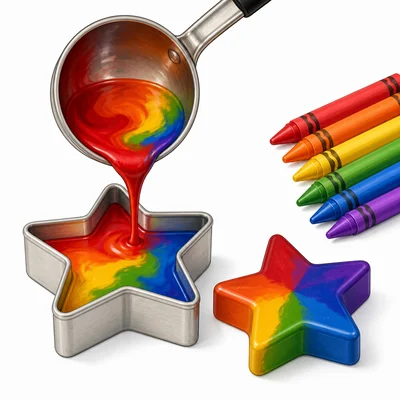
A crayon is melted and poured into a mold shaped like a star. After cooling, the crayon is solid again. Is this a physical change or a chemical change? Explain your answer.
- 14
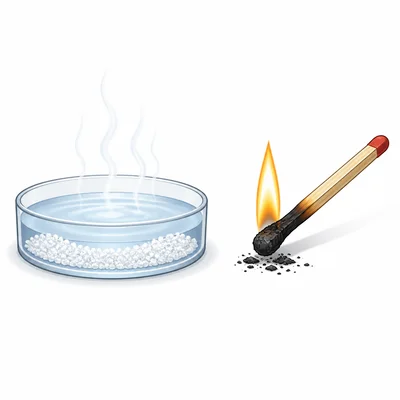
A science class compares two changes. In Change A, salt water is left in a dish until only salt crystals remain. In Change B, a match burns and leaves black ash. Which change is physical and which is chemical? Explain.
- 15
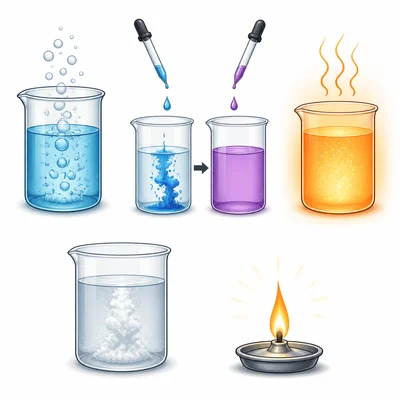
List three common signs that a chemical change may have happened. Then explain why one sign alone is not always enough proof.