Practice explaining how fossils form and how scientists use fossils as evidence of ancient life and past environments.
Read each problem carefully. Write complete sentences when explaining your thinking. Show your work in the space provided.
Using fossils to learn about organisms and environments from long ago
Earth Science - Grade 4-5
- 1
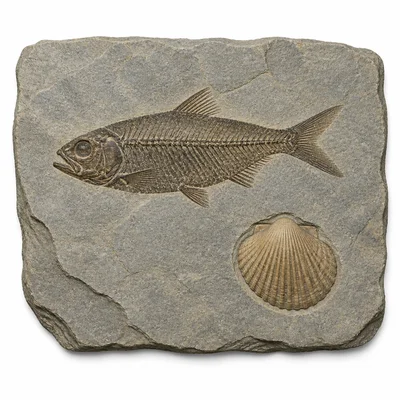
What is a fossil? Write a definition in your own words.
- 2
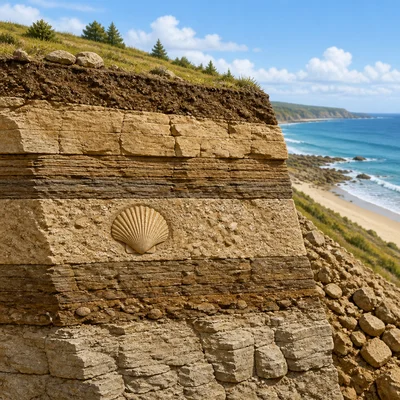
A scientist finds a shell fossil in a layer of rock far from the ocean. What might this fossil be evidence of?
- 3
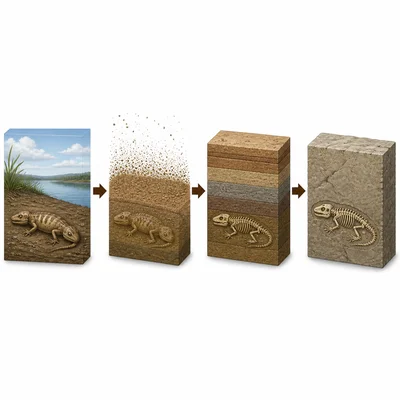
Put these events in the correct order for how a body fossil can form: sediment hardens into rock, an animal dies, the animal is buried by sediment, minerals replace parts of the animal.
- 4
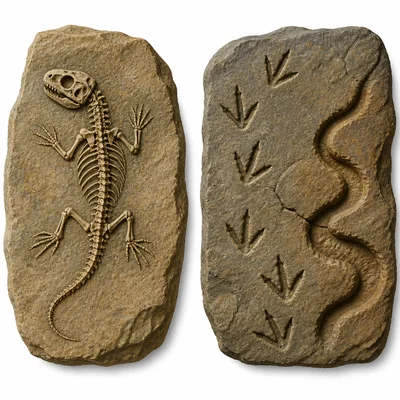
Explain the difference between a body fossil and a trace fossil.
- 5
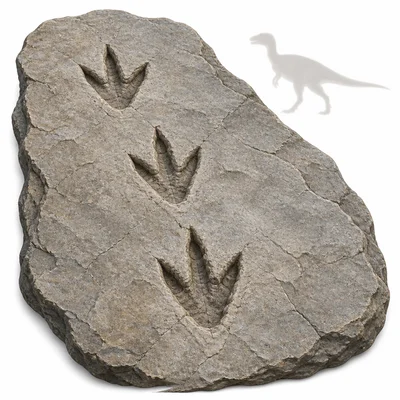
Look at a fossil footprint. What can a footprint fossil tell scientists about an ancient animal?
- 6
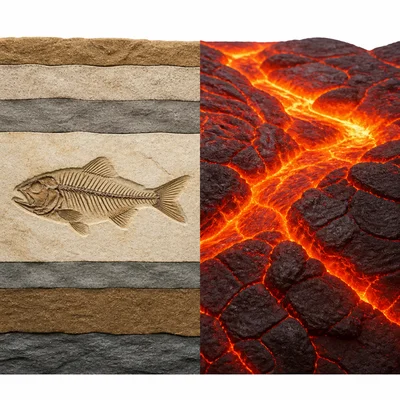
Why are fossils usually found in sedimentary rock instead of igneous rock?
- 7
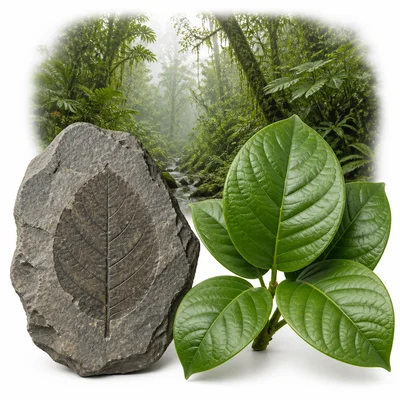
A fossil leaf has the same shape as leaves from plants that live in warm, wet places today. What might scientists infer about the ancient environment?
- 8
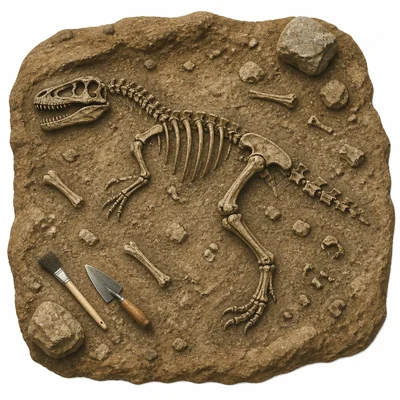
Why is finding a complete dinosaur skeleton very rare?
- 9
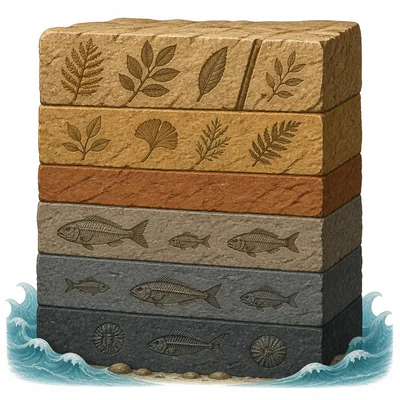
A rock layer contains fish fossils. A higher rock layer contains land plant fossils. What does this suggest about how the environment may have changed?
- 10
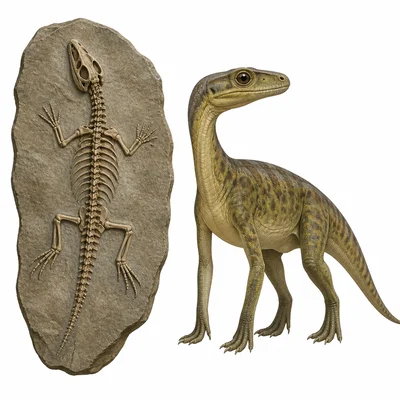
How do fossils help scientists learn about animals that are extinct?
- 11
A student says, 'Fossils are just old rocks, so they do not give evidence about living things.' Explain why the student is incorrect.
- 12
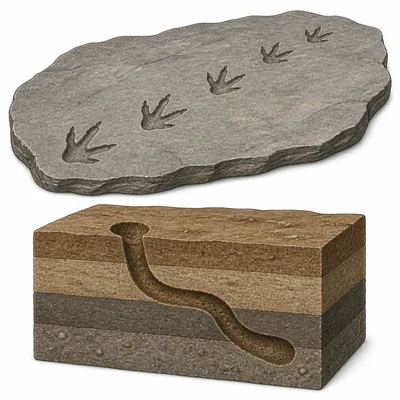
Name two examples of trace fossils and explain what each one shows.
- 13
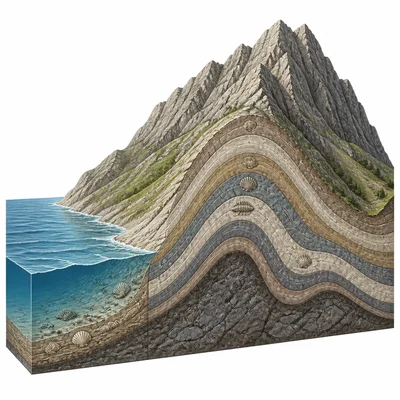
A fossil of a sea creature is found in a mountain. What is one possible explanation for how it got there?
- 14
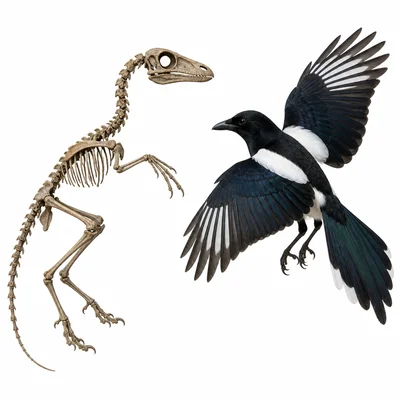
Why do scientists compare fossils with living organisms?
- 15
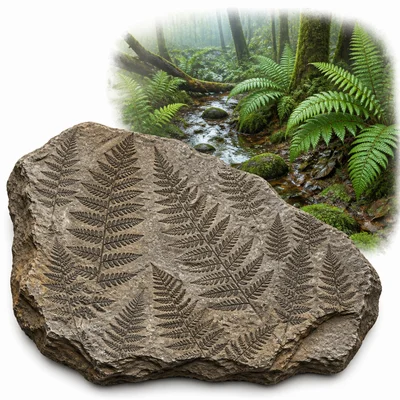
Create a claim using fossil evidence: A rock contains many fossilized fern leaves and no desert animal fossils. What can you claim about the ancient environment, and what evidence supports your claim?