Practice identifying the main layers of Earth and describing their properties, order, and importance.
Read each problem carefully. Use complete sentences when explaining your thinking. Show your work in the space provided.
Explore the crust, mantle, outer core, and inner core
Earth Science - Grade 4-5
- 1
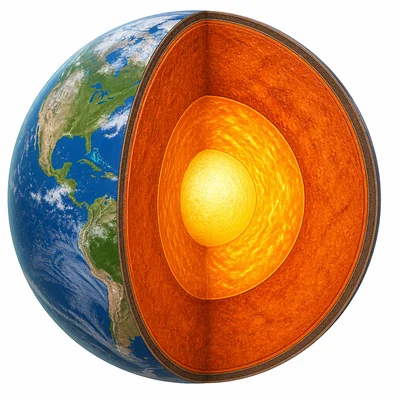
List the four main layers of Earth in order from the outside to the center.
- 2
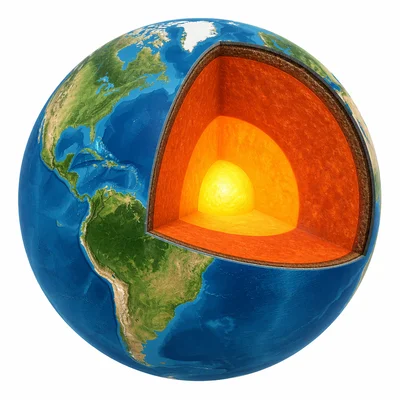
Which layer of Earth is the thin, solid outer layer that includes the continents and ocean floor?
- 3
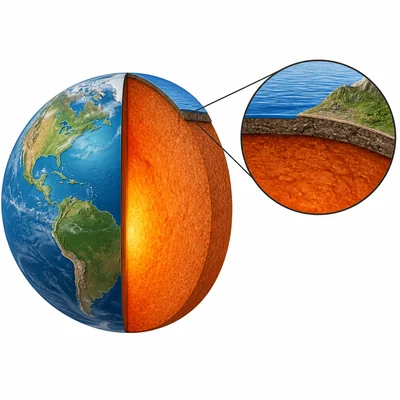
The mantle is thicker than the crust. Describe one way the mantle is different from the crust.
- 4
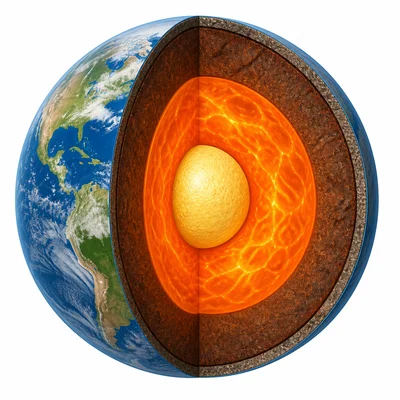
Which layer is made of liquid metal and surrounds the inner core?
- 5
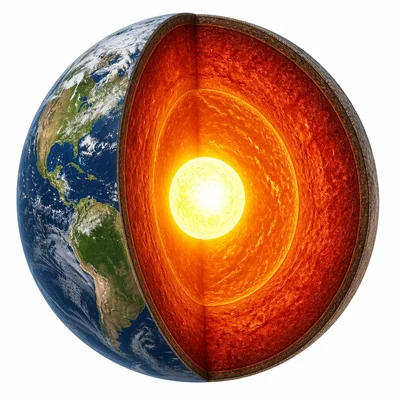
Which layer is the hottest and deepest solid layer of Earth?
- 6
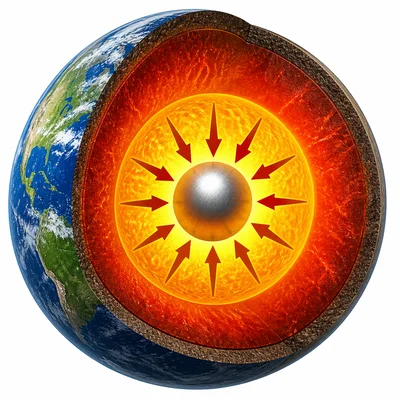
Explain why the inner core is solid even though it is extremely hot.
- 7
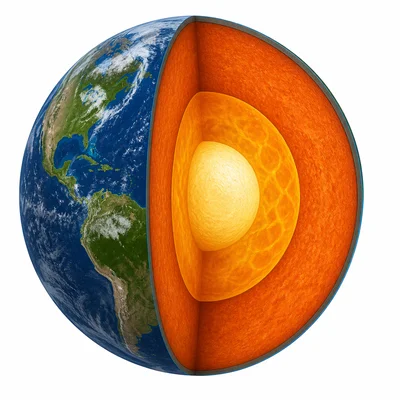
A student says, "The crust is the thickest layer of Earth because it is the layer we see." Is the student correct? Explain.
- 8
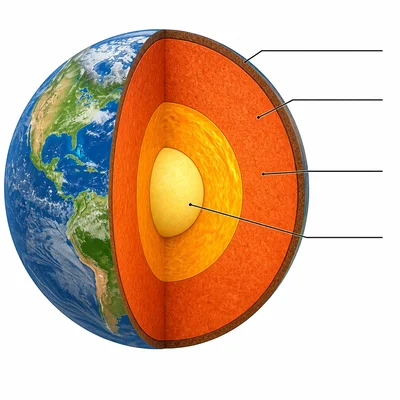
Label the layers in this model: A is the thin outside layer, B is the thick rocky layer, C is the liquid metal layer, and D is the solid metal center.
- 9
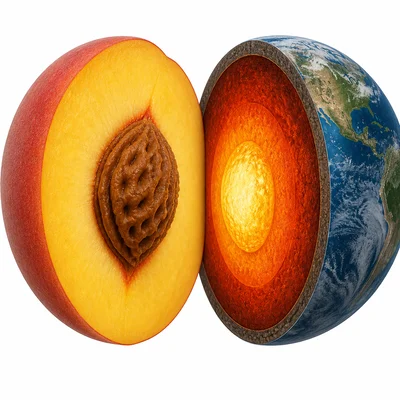
Why is a peach or avocado sometimes used as a model for Earth’s layers?
- 10
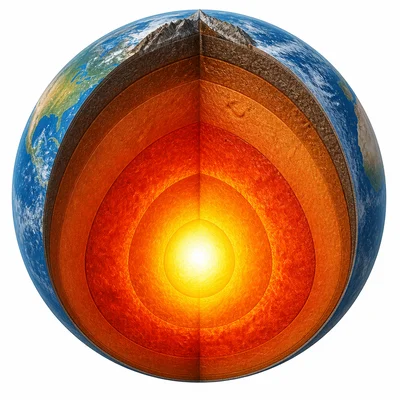
Describe what happens to temperature as you travel from Earth’s crust toward the inner core.
- 11
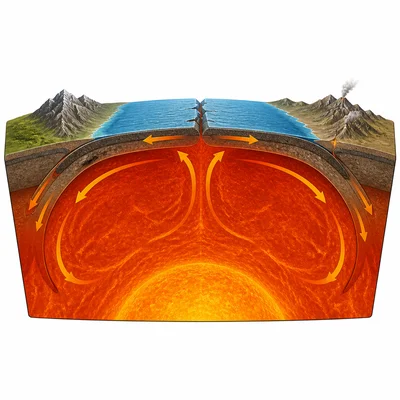
The mantle contains very hot rock that moves slowly. How can this slow movement affect Earth’s surface?
- 12
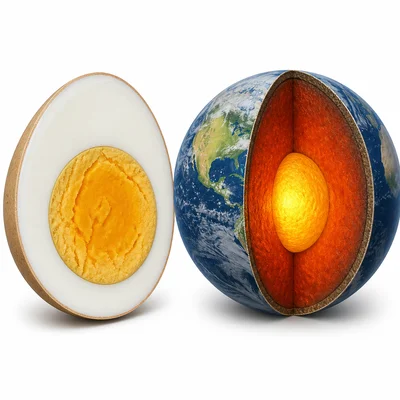
Choose the correct comparison: The crust is like the shell of an egg, the white of an egg, or the yolk of an egg. Explain your choice.
- 13
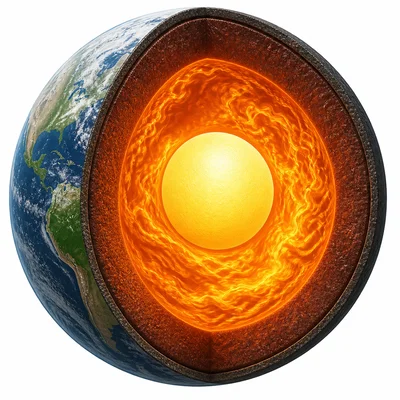
What is the difference between the outer core and the inner core?
- 14
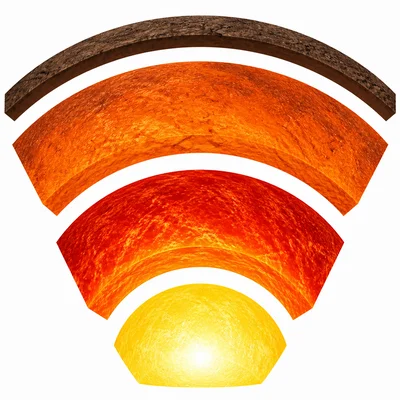
Put these layers in order from coolest to hottest: inner core, crust, mantle, outer core.
- 15
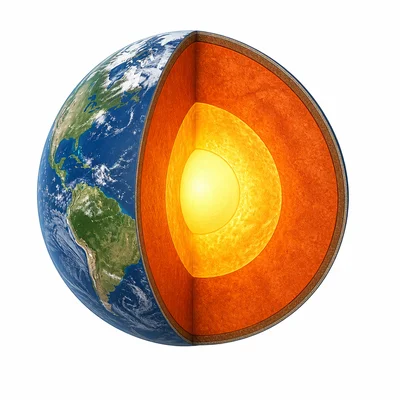
Draw or describe a simple cross-section of Earth that shows all four main layers. Include one fact about each layer.