Practice using evidence to explain climate change and identify its impacts on people, ecosystems, and Earth systems.
Read each problem carefully. Use evidence and complete sentences in your answers. Show your work in the space provided when calculations are needed.
Examining data, causes, and effects of a warming planet
Environmental Science - Grade 6-8
- 1
Define climate change in your own words. Explain how climate is different from weather.
- 2
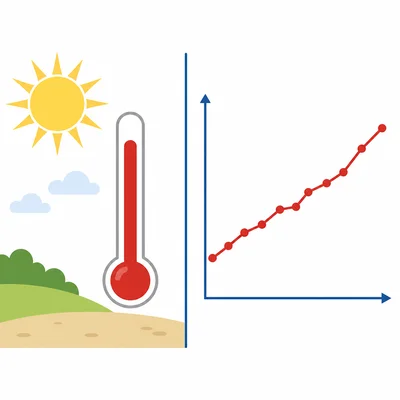
A graph shows that global average temperature has increased over the last 100 years. Explain why a long-term temperature graph is stronger evidence for climate change than one unusually hot day.
- 3
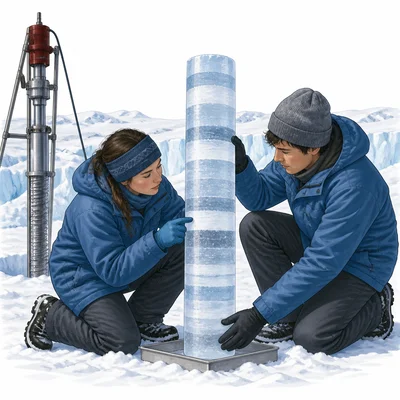
Scientists study ice cores from glaciers and ice sheets. What information can ice cores provide about past climates?
- 4
Carbon dioxide levels in the atmosphere were about 280 parts per million before the Industrial Revolution and are now about 420 parts per million. How much have carbon dioxide levels increased?
- 5
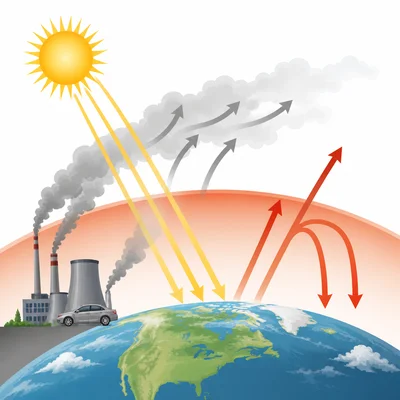
Explain how burning fossil fuels can lead to global warming.
- 6
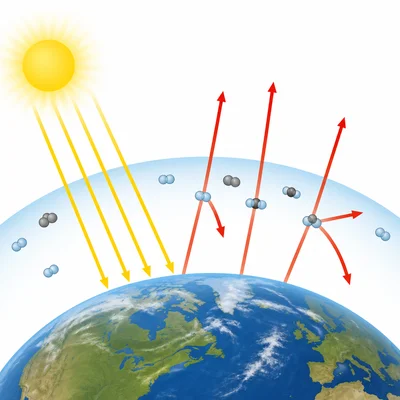
Look at a diagram of the greenhouse effect. Describe the role greenhouse gases play in Earth's atmosphere.
- 7
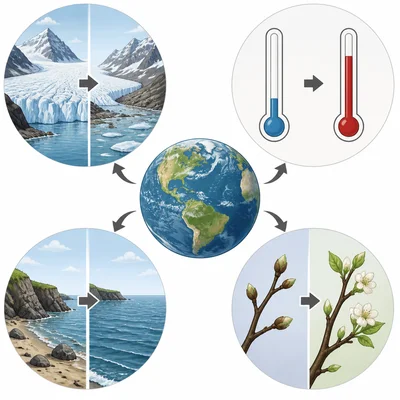
Name two types of evidence scientists use to show that Earth's climate is warming, and explain what each one shows.
- 8
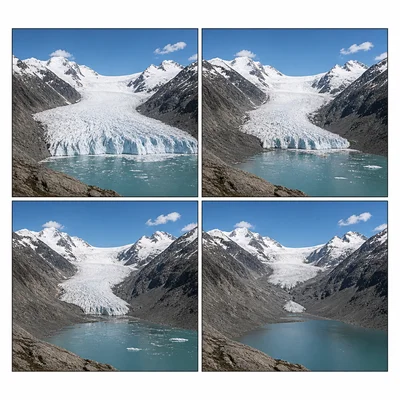
A glacier has been photographed every 10 years since 1970. The photos show the glacier becoming smaller each decade. What does this evidence suggest, and why should scientists compare it with other data?
- 9
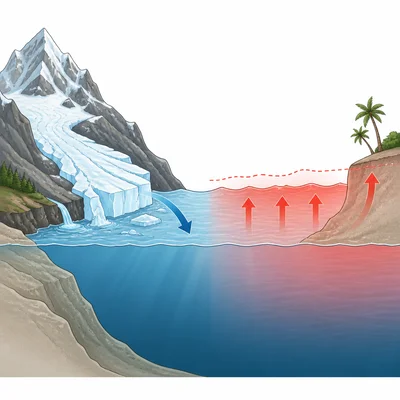
Sea level can rise when land ice melts and when ocean water warms. Explain both processes.
- 10
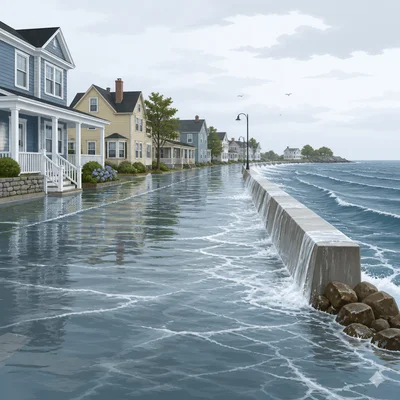
A coastal town has noticed more frequent flooding during high tides. Explain how climate change could make this problem worse.
- 11
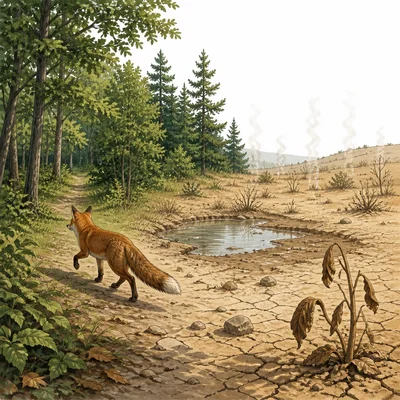
How can climate change affect animal and plant habitats? Give one specific example.
- 12
The table shows the average spring arrival date of a bird species in one region. In 1980, it arrived on April 20. In 2020, it arrived on April 8. What pattern does this show, and how could it be connected to climate change?
- 13
Describe one way climate change can affect human health.
- 14
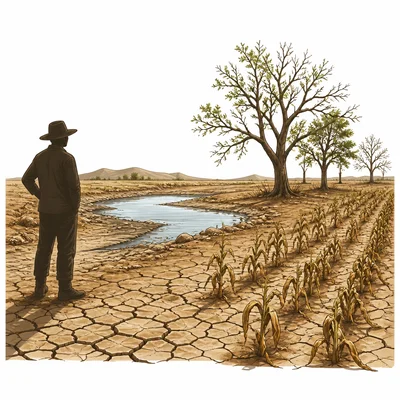
A region usually receives steady rainfall, but recent years have brought longer droughts. Explain how drought can affect people, farming, and ecosystems.
- 15
A student says, "The climate has changed naturally before, so humans cannot be causing today's climate change." Write a response that uses evidence and scientific reasoning.