Practice understanding the cultures of Europe by examining geography, language, religion, food, traditions, and historical influences across the continent.
Read each problem carefully. Answer in complete sentences and use specific examples when possible.
Exploring languages, traditions, geography, and daily life in Europe
Social Studies - Grade 6-8
- 1
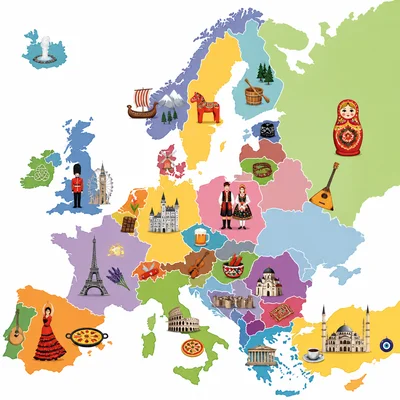
Europe is a continent with many countries. Explain how Europe can have both shared cultural traits and many cultural differences.
- 2
Name two major language groups spoken in Europe and give one example language from each group.
- 3
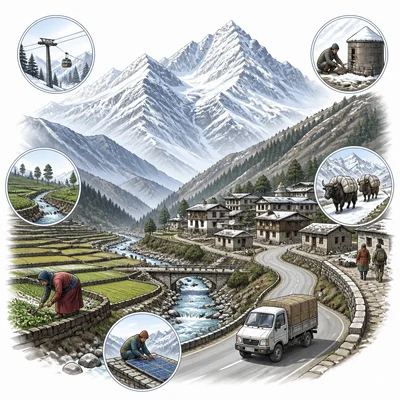
The Alps are an important mountain range in Europe. Describe one way mountain ranges can affect culture or daily life.
- 4
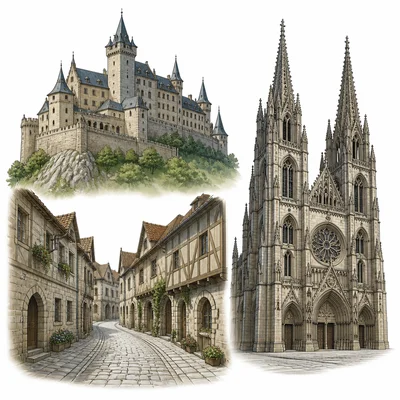
Many European cities have old buildings, castles, and cathedrals. What do these landmarks tell us about European history and culture?
- 5
Choose one European country and name a traditional food from that country. Then explain how geography or climate may have influenced that food.
- 6
Europe has many different religions and belief systems. Explain why religion can be an important part of culture.
- 7
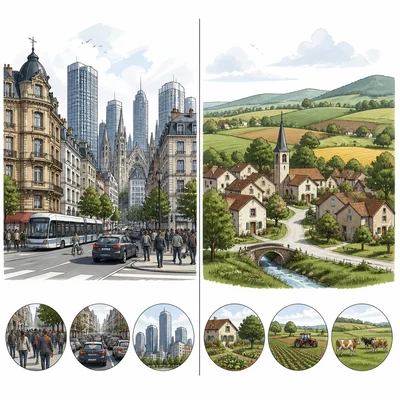
Compare daily life in a large European city with daily life in a rural European village. Give one likely difference.
- 8
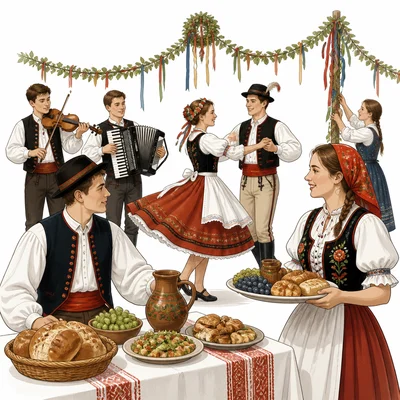
Many European countries celebrate festivals such as Oktoberfest, Carnival, or Saint Lucia Day. What can festivals teach us about a culture?
- 9
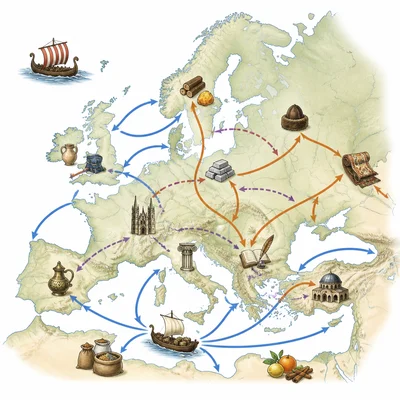
Explain how trade and travel between European countries have helped spread cultural ideas.
- 10
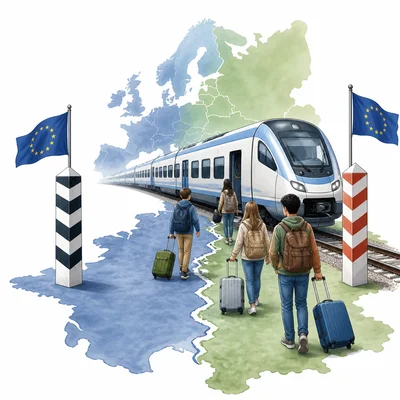
The European Union has connected many countries in Europe. Describe one way this connection can affect culture or daily life.
- 11
Why is it important to avoid stereotypes when learning about the cultures of Europe?
- 12
Write a short response explaining how geography, history, and language work together to shape culture in Europe.