Practice understanding matter, atoms, molecules, and how tiny particles combine to make the materials around us.
Read each problem carefully. Write complete sentences when explaining your thinking.
Exploring the tiny particles that make up everything around us
Chemistry - Grade 4-5
- 1
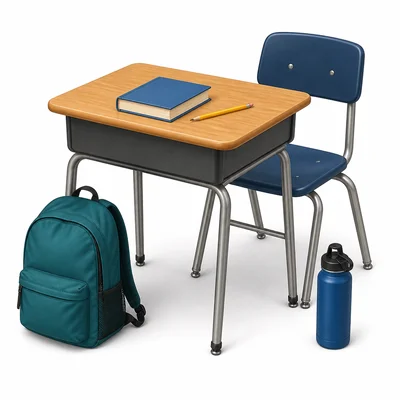
Matter is anything that has mass and takes up space. Name three examples of matter you can find in a classroom.
- 2
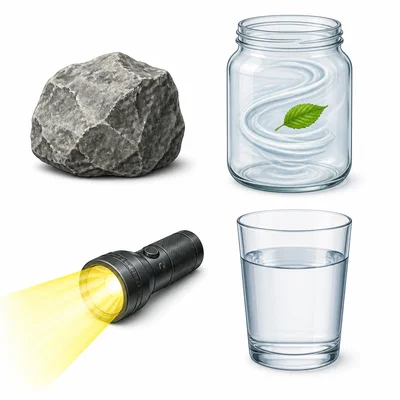
Which item is not matter: a rock, air, light, or water? Explain your answer.
- 3
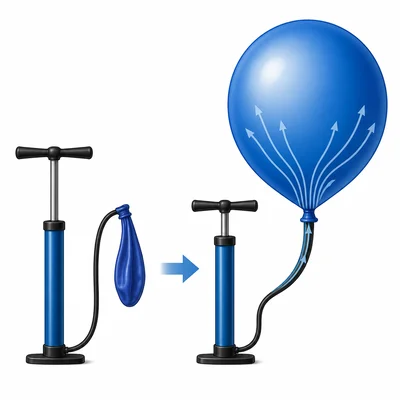
A balloon is filled with air and gets bigger. How does this show that air is matter?
- 4
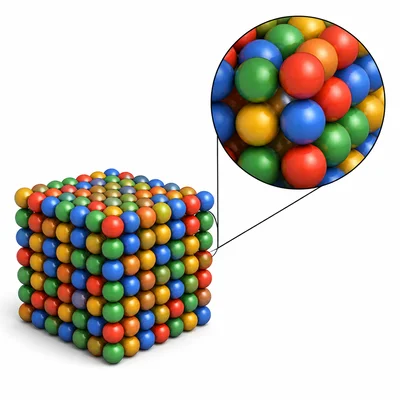
An atom is the smallest basic piece of an element. Use this idea to explain why atoms are sometimes called building blocks of matter.
- 5
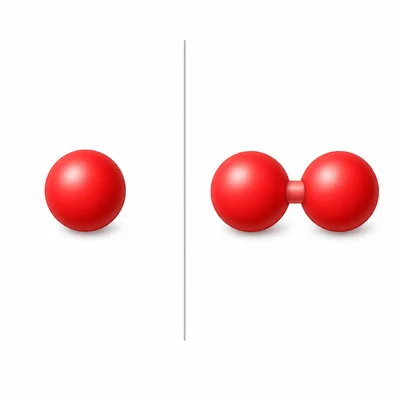
A molecule is made when two or more atoms are joined together. Is a single oxygen atom a molecule? Explain.
- 6
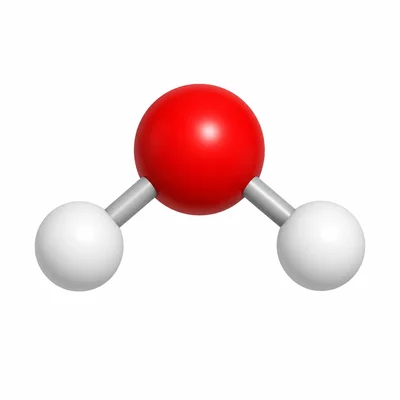
Look at a model with one large oxygen atom joined to two smaller hydrogen atoms. What molecule does this model show?
- 7
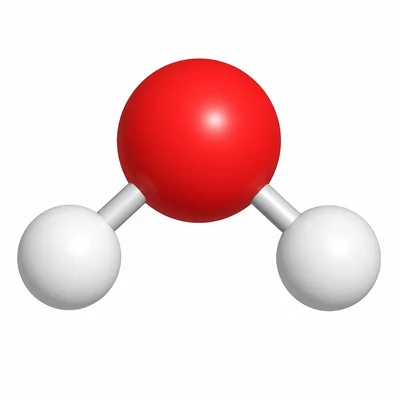
The formula for water is H2O. What do the H, the 2, and the O tell you?
- 8
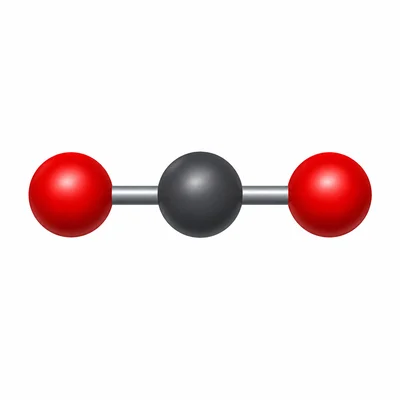
Carbon dioxide has the formula CO2. How many carbon atoms and oxygen atoms are in one carbon dioxide molecule?
- 9
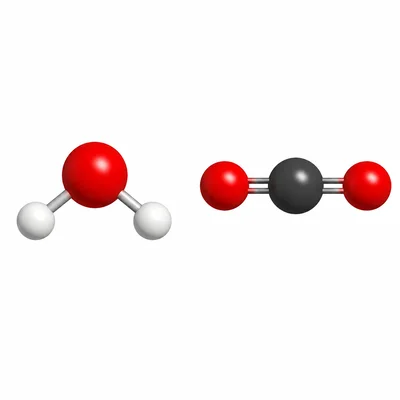
Which has more total atoms in one molecule: H2O or CO2? Explain how you know.
- 10
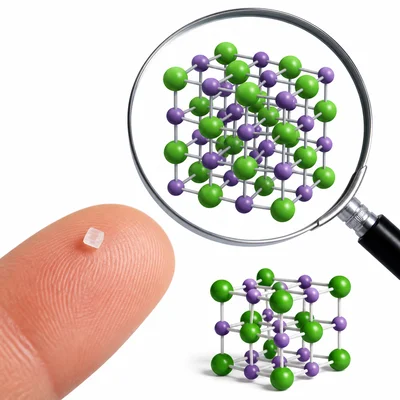
Salt is made of tiny particles arranged together. A grain of salt is much too small to see its atoms with your eyes. Why do scientists use models to study atoms and molecules?
- 11
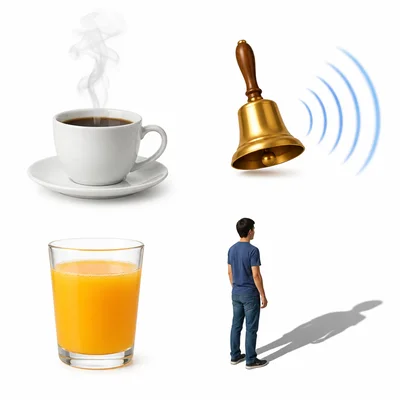
Sort each example as matter or not matter: steam, sound, juice, and shadow.
- 12
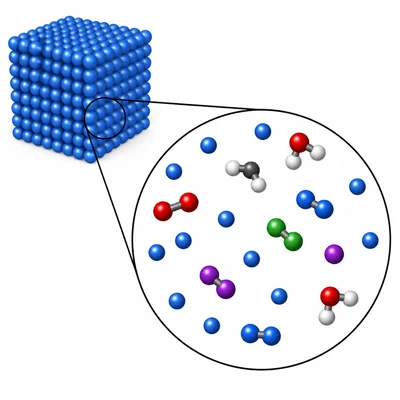
A student says, 'All matter is made of atoms, but not all atoms are joined into molecules.' Is the student correct? Explain.
- 13
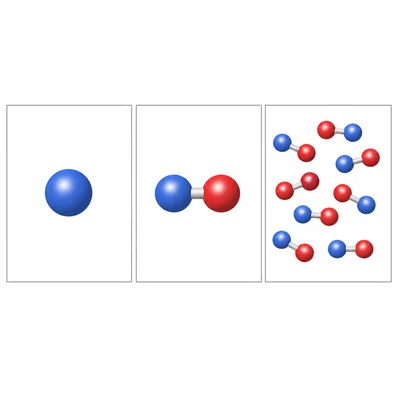
A diagram shows three different particle pictures: one single atom, two atoms joined together, and many molecules close together. Which picture represents a molecule?
- 14
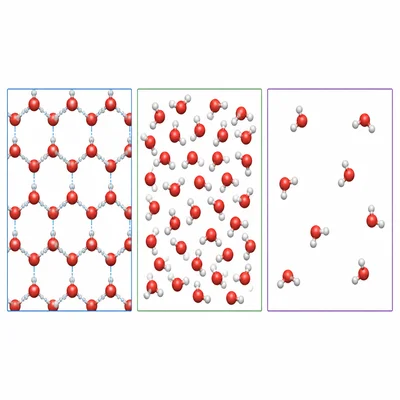
Ice, liquid water, and water vapor are all made of water molecules. What changes when water freezes or boils: the molecules themselves or how the molecules move and spread out?
- 15
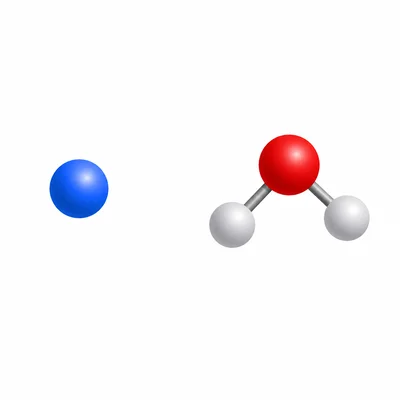
Write one sentence explaining the difference between an atom and a molecule.