Practice using user-centered design, accessibility principles, and engineering thinking to create solutions that are useful, usable, and inclusive.
Read each problem carefully. Think about the users, their needs, and how the design could be improved. Show your reasoning in the space provided.
Designing solutions that work for many people
Engineering - Grade 6-8
- 1
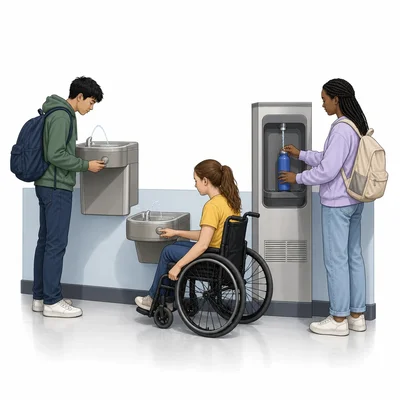
A school is designing a new water fountain area. Name three different users who should be considered during the design process, and describe one need each user may have.
- 2
Explain the difference between designing for the average user and using user-centered design.
- 3
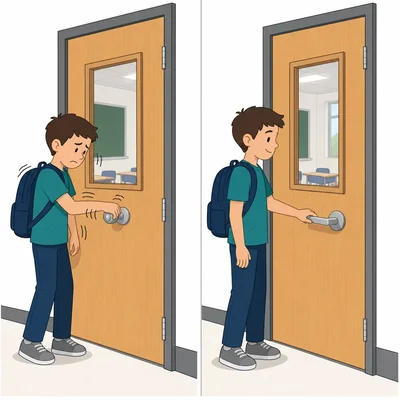
Look at a classroom door with a round knob. Describe one accessibility problem it may create and propose one improved design.
- 4
A student says, "Accessibility features only help people with disabilities." Explain why this statement is incorrect.
- 5
An engineering team is creating a school website. List four accessibility features the website should include.
- 6
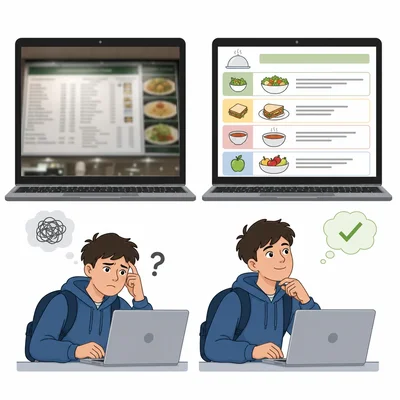
A cafeteria menu is posted as a photo with tiny text and no written description online. Identify two problems with this design and suggest two improvements.
- 7
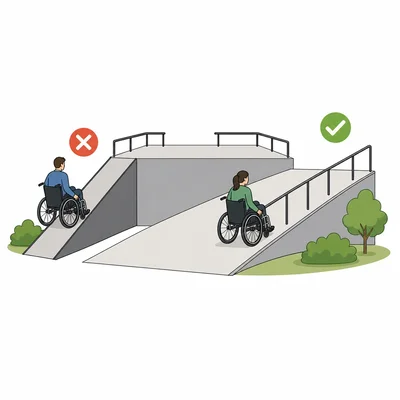
Study the ramp design: a ramp rises 1 foot for every 6 feet of horizontal distance. A safer accessibility guideline is often a gentler slope, such as 1 foot of rise for 12 feet of horizontal distance. Explain which ramp would be easier to use and why.
- 8
A team interviews only teachers before designing a new student planner app. Explain why this is not enough for user-centered design.
- 9
Create one user persona for a student who might use a homework reminder app. Include the student's goal, one challenge, and one accessibility need.
- 10
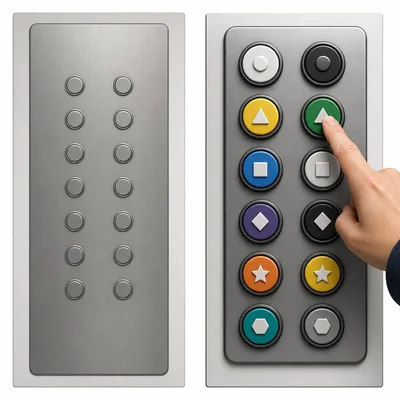
An elevator panel has buttons that are all the same color, have small print, and do not include raised symbols. Describe two changes that would make the panel more accessible.
- 11
During testing, several users say a science lab safety app has too many steps before they can report a spill. What should the engineering team do next?
- 12
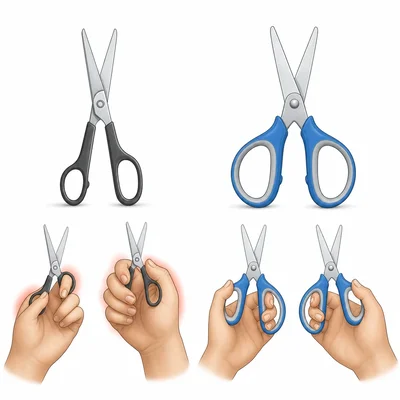
A pair of scissors is designed with small finger holes and works only for right-handed users. Identify two user groups who may have trouble with this design and propose a more inclusive solution.
- 13
Explain why engineers should test prototypes with real users instead of only asking the design team if the product seems good.
- 14
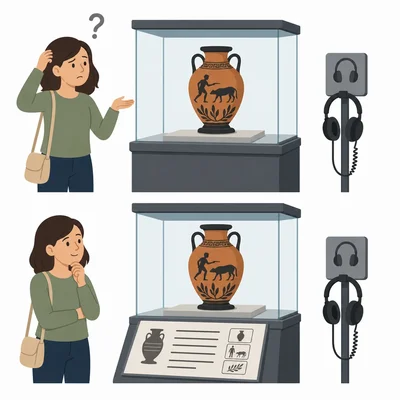
A museum exhibit includes an audio recording that explains the display, but there is no written version. What accessibility barrier does this create, and how could the museum fix it?
- 15
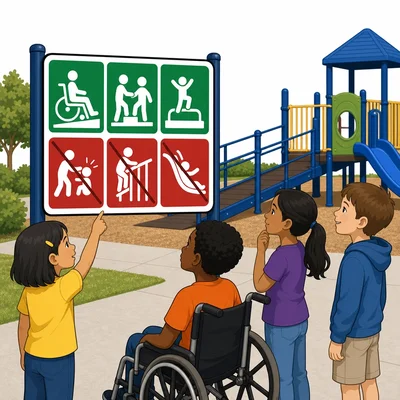
You are redesigning a playground sign that explains safety rules. Write three design requirements that would make the sign more user-centered and accessible.