Practice understanding puberty, body changes, personal hygiene, emotions, and healthy choices during adolescent development.
Read each problem carefully. Answer in complete sentences and use respectful, accurate health vocabulary.
Understanding physical, emotional, and social changes during adolescence
Health - Grade 6-8
- 1
Define puberty in your own words. Include at least two kinds of changes that can happen during puberty.
- 2

Two students are the same age, but one has started growing taller quickly and the other has not. Explain why this can be normal.
- 3
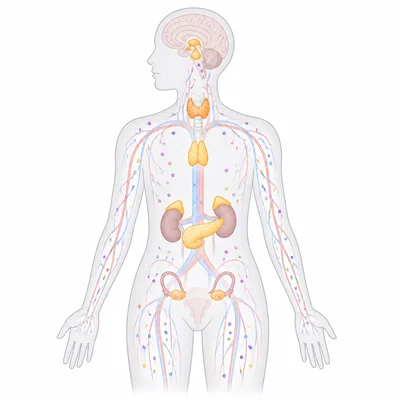
What are hormones, and what role do they play during puberty?
- 4

List three hygiene habits that can help during puberty and explain why one of them is important.
- 5
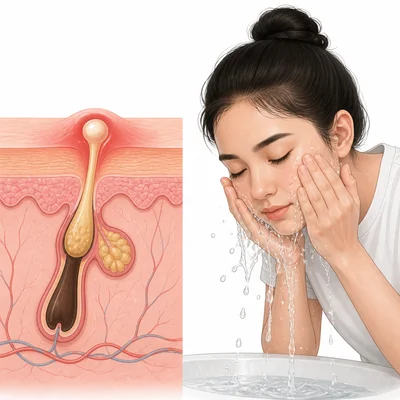
A student notices more pimples on their face during puberty. Explain what acne is and name one healthy way to care for skin.
- 6
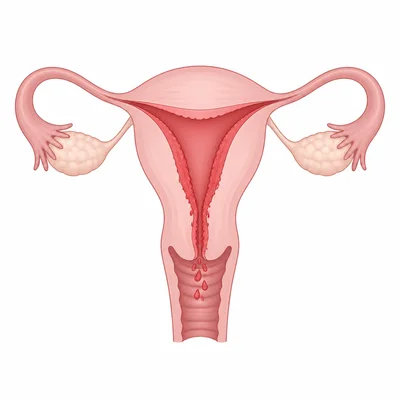
Explain what menstruation is in a respectful and accurate way.
- 7
What is a nocturnal emission, and why should it not be considered embarrassing or unhealthy?
- 8
A student feels happy one moment and irritated the next. Explain why mood changes can happen during adolescence and name one healthy coping strategy.
- 9
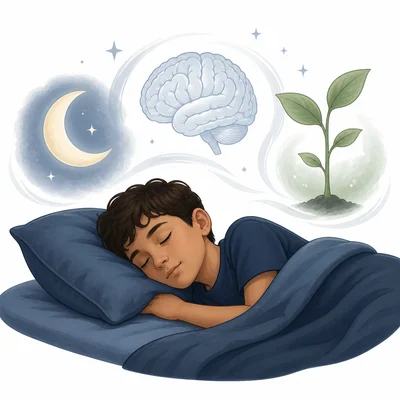
Middle school students often need more sleep than adults. Explain two reasons sleep is important during puberty.
- 10
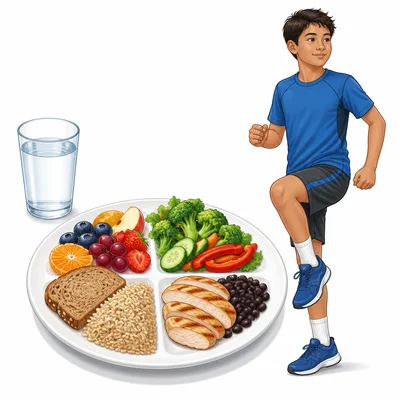
Describe two ways nutrition and physical activity support healthy adolescent development.
- 11
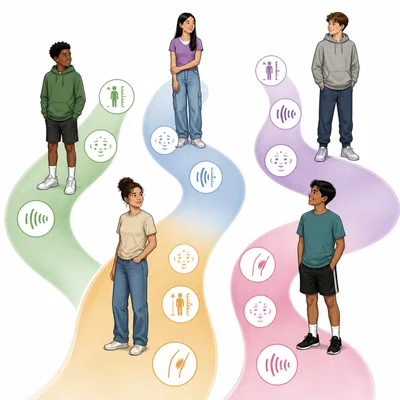
A friend says, "Everyone should go through puberty in exactly the same order." Explain why this statement is incorrect.
- 12
What is body image, and how can someone practice a healthier body image during puberty?
- 13
Read the situation: A classmate teases someone about their voice cracking. Write a respectful response that could help stop the teasing.
- 14
Explain why privacy and personal boundaries are important during adolescence. Give one example of a healthy boundary.
- 15
Identify three trusted sources a student could go to with questions about puberty, health, or safety. Explain why trusted sources matter.