Practice explaining the three main processes of memory and applying memory concepts to everyday situations.
Read each problem carefully. Use complete sentences and include examples when asked.
How information enters, stays in, and comes out of memory
Psychology - Grade 9-12
- 1
Define encoding, storage, and retrieval in your own words.
- 2
A student reads a vocabulary word, says it out loud, and connects it to a personal experience. Which memory process is the student using most directly, and why?
- 3
Explain the difference between shallow processing and deep processing. Give one example of each.
- 4
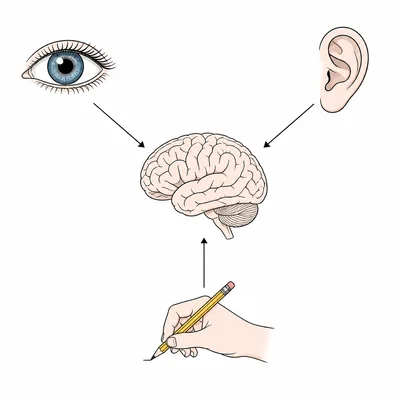
A teacher shows students a diagram, explains the topic aloud, and asks students to write a short summary. How might using multiple forms of encoding improve memory?
- 5
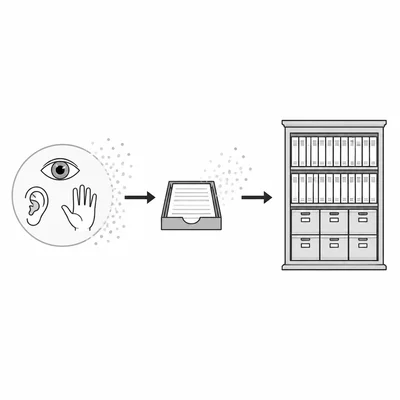
What is the difference between sensory memory, short-term memory, and long-term memory?
- 6
Give an example of information that would likely stay in short-term memory for only a short time unless it is rehearsed.
- 7
Explain how maintenance rehearsal and elaborative rehearsal are different.
- 8
A student studies by copying definitions five times. Another student studies by making examples, drawing connections, and explaining ideas to a friend. Which student is more likely using elaborative rehearsal, and why?
- 9
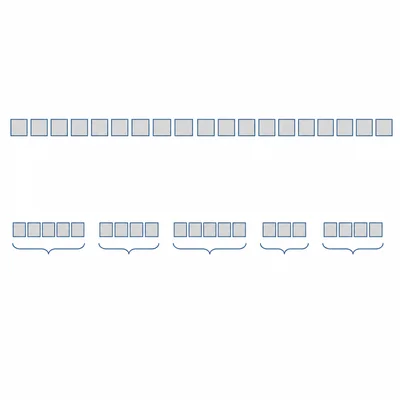
What is chunking, and how can it help memory? Use the number 149217761945 as an example.
- 10
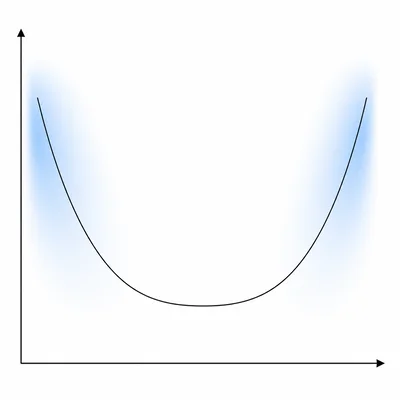
Describe the serial position effect. In a list of 20 words, which words are people often most likely to remember?
- 11
Explain the difference between recall, recognition, and relearning.
- 12
A student cannot remember an answer during a test, but later remembers it when a classmate mentions the chapter title. What role did the chapter title play?
- 13
What is context-dependent memory? Give an example involving school.
- 14
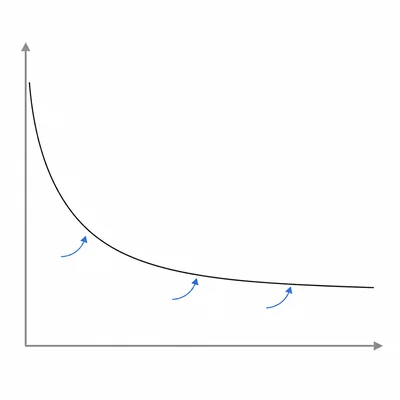
A graph shows that memory drops quickly soon after learning and then levels off over time. What memory concept does this show, and what study habit can help reduce this effect?
- 15
Create a study plan for a psychology test that uses at least three memory strategies from this worksheet. Explain why each strategy should help.