Analyze how colonialism shaped political systems, economies, cultures, borders, and social conditions in colonized regions and in colonizing countries.
Read each problem carefully. Use complete sentences and include evidence or examples when asked.
Examining power, resources, culture, and lasting global impacts
Social Studies - Grade 9-12
- 1
Define colonialism in your own words. Include at least two features that make colonialism different from ordinary trade between societies.
- 2
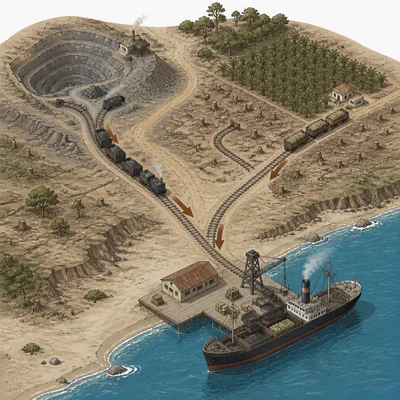
Explain how the extraction of natural resources during colonial rule could affect a colonized region after independence.
- 3
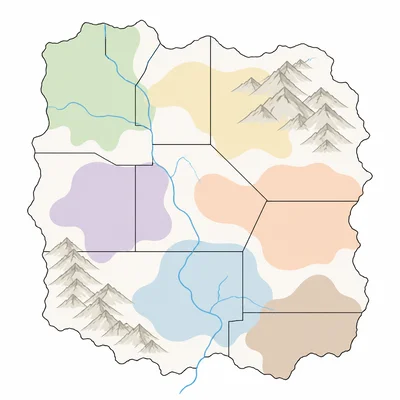
Describe one way colonial borders created long-term political challenges in parts of Africa, Asia, or the Middle East.
- 4
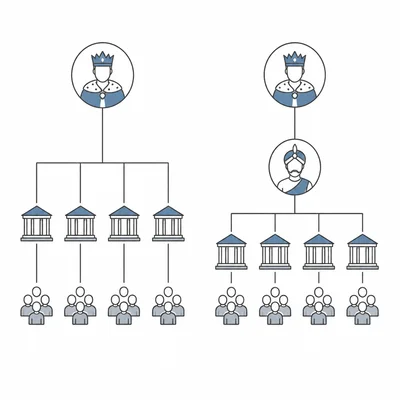
Compare direct rule and indirect rule as colonial governing strategies. Explain one possible long-term effect of each.
- 5
Identify two ways colonialism affected education in colonized societies. Explain how these effects could be both harmful and lasting.
- 6
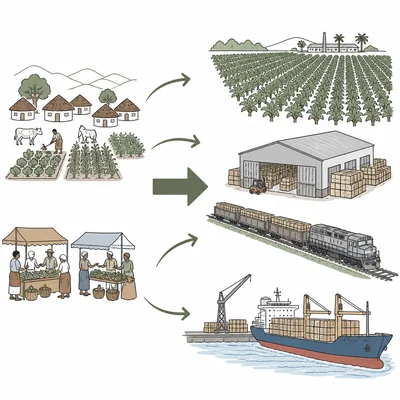
Explain how colonialism could change local economies from subsistence or regional trade systems into export-oriented economies.
- 7
A historian says, "Colonialism ended when countries became independent, so it has little impact today." Write a response that agrees or disagrees with this claim using at least two examples.
- 8
Explain the difference between colonialism and imperialism. Give an example of how the two ideas are connected.
- 9
Describe how colonial rule affected cultural identity in colonized societies. Include one example of resistance or cultural survival.
- 10
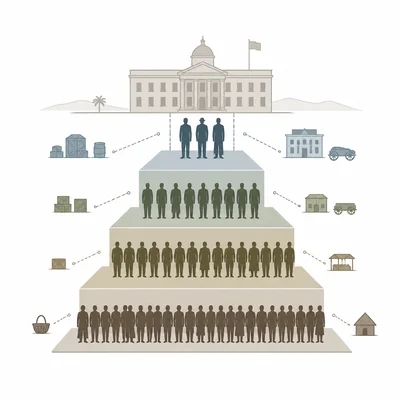
Explain how colonialism contributed to racial or ethnic hierarchies. Describe one way those hierarchies could continue after independence.
- 11
Analyze the role of anti-colonial movements in ending colonial rule. Include at least two methods these movements used.
- 12
Choose one long-term effect of colonialism that you think is especially important today. Explain why it matters and how it might be addressed.