ELA
Summarizing Instead of Analyzing
Students retell what happens in the text instead of explaining how the author creates meaning.
Quick check
Why students make it
Students often think proof of reading is the same as analysis. They give plot details because those details feel safe and obvious.
The rule done right
A strong analysis makes a claim about meaning, technique, or effect, then uses evidence to explain how and why that evidence supports the claim.
Related resources
-
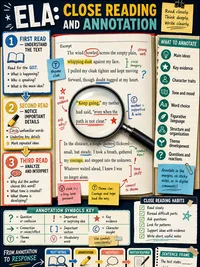 Close Reading and Annotation Infographic
-
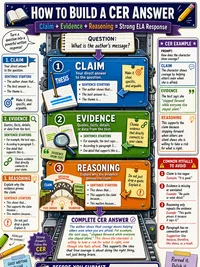 How to Build a Claim-Evidence-Reasoning Answer Infographic
-
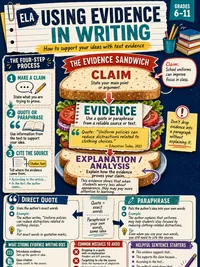 Using Evidence in Writing Infographic
-
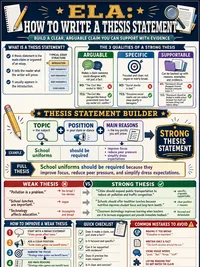 How to Write a Thesis Statement Infographic
- Reading Comprehension Strategies Cheat Sheet
- Active Reading & Annotation Symbols Cheat Sheet
- Theme, Plot & Character Analysis Cheat Sheet
- Persuasive & Argumentative Writing Cheat Sheet
- Argumentative Essay Outline Reference Cheat Sheet
- Language Arts, Literary Analysis Worksheet
- Annotation and Close Reading Worksheet
- Reading Comprehension Worksheet
- Language Arts, Nonfiction Argument and Evidence Worksheet
- AP Language, Rhetorical Analysis Worksheet
- Argument & Evidence Organizer Tool
- Literary Devices Explorer Tool
- Theme Identifier Tool
- Point of View Analyzer Tool
- Text Structure Identifier Tool
- Claim-Evidence-Reasoning Lab Lab
- Argument Writing Lab Lab
- Poetry Analysis Lab Lab
- Figurative Language Lab Lab
- Reading Comprehension Lab Lab